All Things Peptides: The Intelligence Molecules of Modern Aesthetics
- Chris Beckett

- Feb 16
- 4 min read
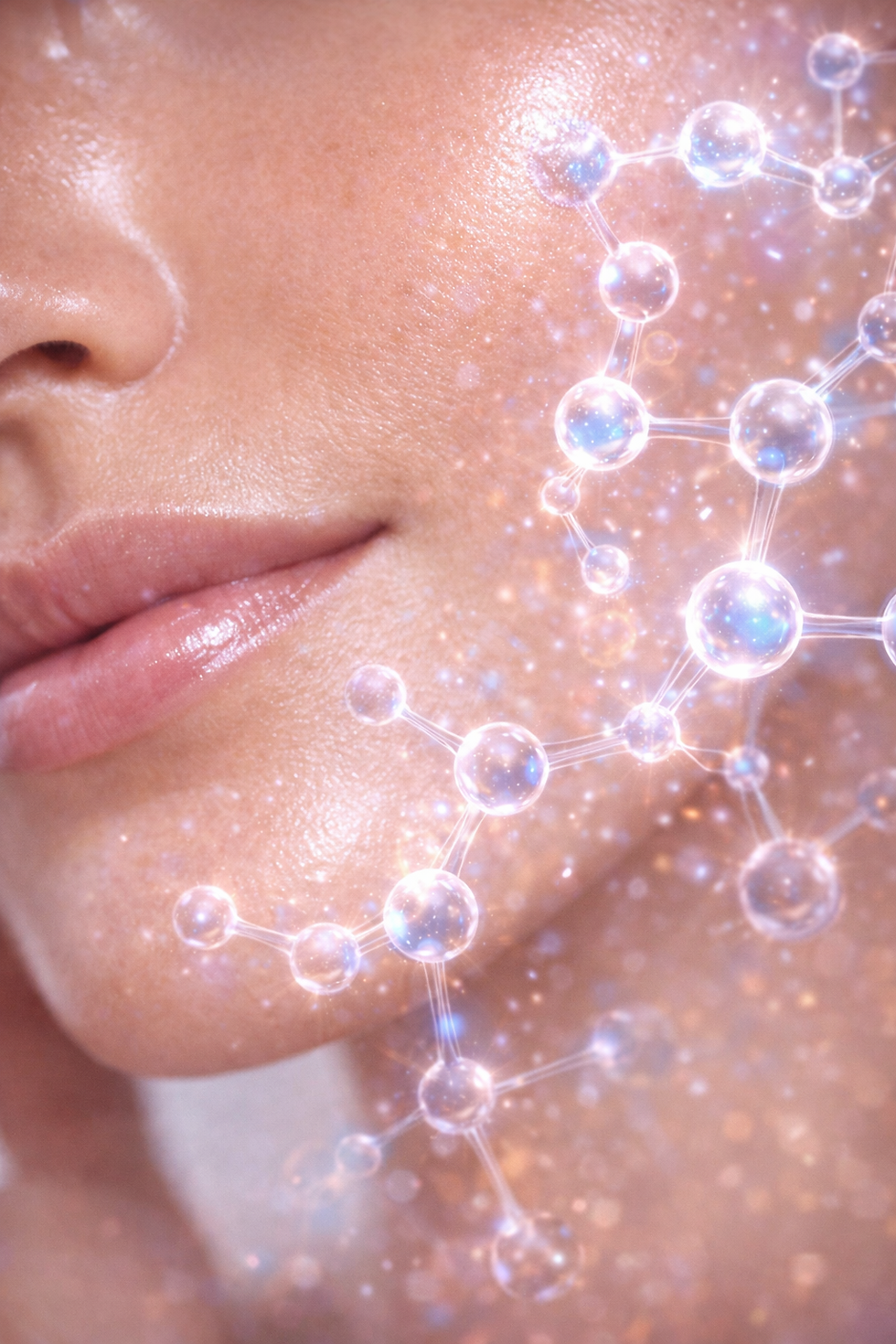
Peptides are everywhere.
In serums. In injectables. In regenerative conversations. In marketing copy that promises collagen, firmness, tightening and repair.
But strip away the noise and the buzzwords and one question remains:
What actually are peptides — and why do they matter in modern aesthetics?
This is your complete, clinically grounded, no-fluff guide to peptides. What they are. What they do. How they work. Where they fit into regenerative protocols. And how they integrate into professional treatments in Newcastle-under-Lyme and beyond.
What Are Peptides?
Peptides are short chains of amino acids.
Amino acids are the building blocks of proteins.
When amino acids link together in long, complex chains, they form proteins like collagen and elastin.
When those chains are shorter — typically between 2 and 50 amino acids — we call them peptides.
In biological terms, peptides function as signalling molecules.
They tell cells what to do.
Repair. Produce collagen. Calm inflammation. Increase turnover. Contract muscle fibres.
They are instructions.
And in aesthetic medicine, instructions matter.
Why Peptides Matter in Skin Ageing
Ageing is not just about volume loss.
It is about communication breakdown.
Fibroblasts become less responsive. Collagen production slows. Inflammatory signalling increases. Barrier repair weakens.
Peptides help restore communication.
They bind to receptors on cells and trigger biological responses.
This is why they are often described as “cellular messengers.”
They do not force change.
They signal it.
The Main Types of Peptides in Aesthetics

Not all peptides are created equal. Different peptides perform different functions.
1. Signal Peptides
These are the collagen boosters.
They stimulate fibroblasts to produce collagen, elastin and extracellular matrix components.
Examples in skincare often include:
• Palmitoyl pentapeptide
• Matrixyl-type complexes
• Copper peptides (GHK-Cu)
Clinical Benefit:
• Improved firmness
• Reduced fine lines
• Enhanced dermal density over time
2. Carrier Peptides
Carrier peptides deliver trace elements — such as copper — into the skin.
Copper peptides are particularly well known for supporting:
• Wound healing
• Collagen synthesis
• Anti-inflammatory effects
They are frequently found in professional-grade regenerative skincare.
3. Neurotransmitter-Inhibiting Peptides
Often referred to as “Botox-like peptides.”
These peptides aim to reduce the appearance of expression lines by limiting repetitive muscle contraction at a superficial level.
Important distinction:
They do not replicate injectable neuromodulators.
They provide surface-level softening support.
Used correctly, they are adjuncts — not replacements.
4. Enzyme-Inhibiting Peptides
These slow the breakdown of collagen by inhibiting enzymes that degrade structural proteins.
Result:
• Preservation of firmness
• Reduced visible ageing progression
5. Antimicrobial Peptides
Particularly relevant in acne and compromised skin barriers.
They help regulate bacterial load and reduce inflammatory cascades.
Peptides in Injectable Medicine

Peptides are not confined to topical skincare.
They are increasingly discussed within regenerative and medical aesthetics.
Examples include:
• Bioregulatory peptides
• Tissue repair peptides
• Growth-factor–modulating compounds
These are used within carefully governed frameworks and should always be clinician-led.
In regenerative conversations — including polynucleotides and exosomes — peptides often form part of the broader signalling ecosystem.
They do not operate in isolation.
Peptides in Professional Skincare
Professional brands have embraced peptide technology for one simple reason:
It works.
High-performance formulations often combine:
• Signal peptides
• Exosome technology
• Antioxidants
• Barrier lipids
This layered strategy allows peptides to act as part of a coordinated skin-repair system.
For example, advanced clinical serums used within professional treatment environments can:
• Support collagen between injectable appointments
• Enhance microneedling outcomes
• Improve barrier resilience
• Maintain regenerative results
Peptides are not a gimmick ingredient.
They are architecture support.
How Peptides Compare to Polynucleotides and Exosomes

Think of it this way:
• Polynucleotides create an optimal repair environment
• Exosomes deliver complex signalling cargo
• Peptides provide specific, targeted instructions
They are not competitors.
They are components of intelligent regenerative layering.
In Newcastle-under-Lyme clinical settings, this may translate into:

• Polynucleotide under-eye restoration

• Exosome microneedling for global texture

• Peptide-rich maintenance serums for ongoing support.
Regeneration is rarely one product. It is strategy.
Who Benefits Most from Peptide-Focused Treatments?
Peptides are particularly valuable for:
• Early preventative ageing (30s)
• Barrier-compromised skin
• Post-acne texture concerns
• Dull or stressed skin
• Patients seeking needle-light protocols
• Maintenance between injectable cycles
They are versatile.
They are adaptable.
And when combined correctly, they elevate results.
The Limitations (Because Honesty Matters)
Peptides are powerful — but they are not miracles.
They require:
• Consistency
• Appropriate formulation
• Correct concentration
• Stable delivery systems
Cheap formulations with token peptide percentages will not produce meaningful change.
Clinical-grade products matter.
So does guidance.
Peptides and Collagen Banking
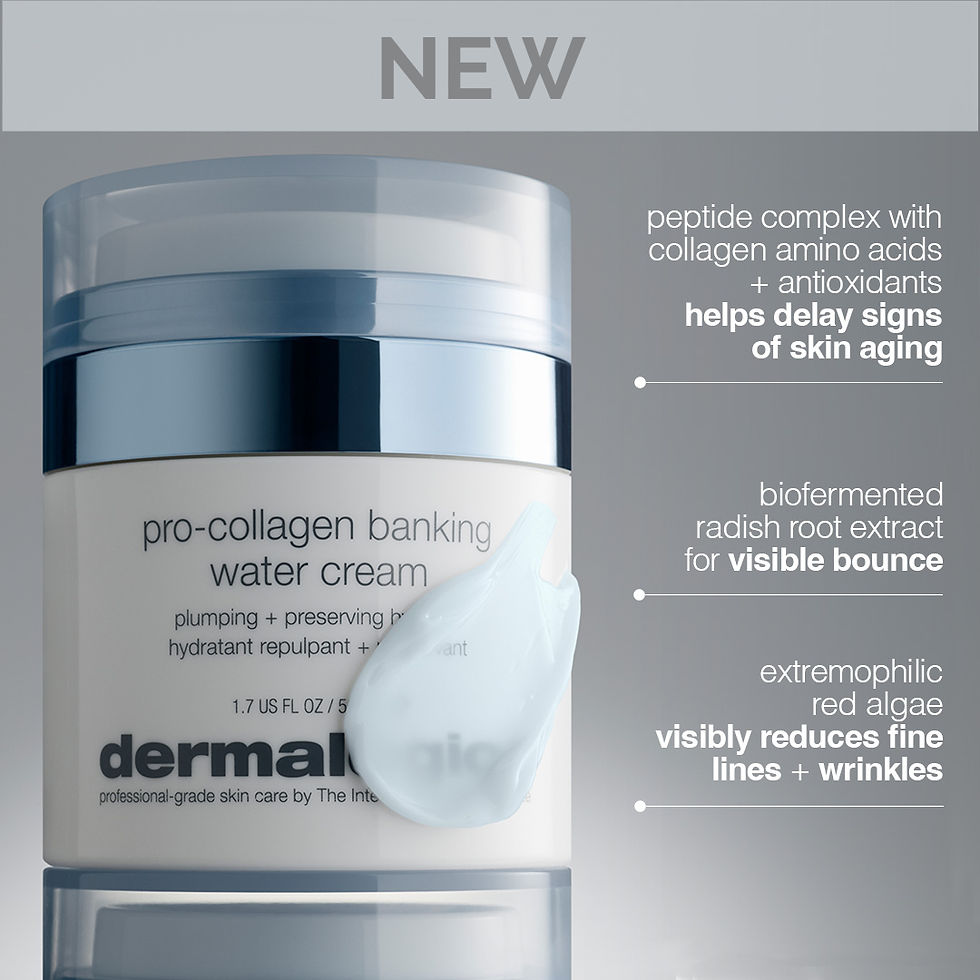
The concept of collagen banking revolves around early intervention.
Supporting collagen before dramatic decline begins.
Peptides play a significant role here.
When introduced early, they:
• Support dermal density
• Improve elasticity
• Enhance resilience
• Reduce cumulative degradation
They are a preventative ally.
Peptide Protocols in Newcastle-under-Lyme
If you are searching for:
• Peptide facial Newcastle-under-Lyme
• Collagen-boosting skincare Staffordshire
• Regenerative facial treatments near Stoke-on-Trent
• Professional peptide serums Newcastle-under-Lyme
Then you are likely looking for structured skin strategy — not supermarket skincare.
A medically led consultation should assess:
• Skin thickness
• Barrier function
• Inflammation markers
• Lifestyle impact
• Hormonal influence
From there, peptides may be integrated into:
• Professional facials
• Microneedling protocols
• Post-injectable support
• Daily maintenance regimes
Final Word: Peptides Are Quietly Powerful
Peptides do not shout.
They do not swell.
They do not freeze.
They communicate.
They instruct.
They support architecture at a cellular level.
In modern regenerative aesthetics — whether in Newcastle-under-Lyme or globally — peptides are no longer an optional add-on.
They are foundational.
And when layered intelligently alongside polynucleotides, exosomes, microneedling and advanced professional skincare, they become part of something bigger than a product.
They become part of a plan.
Book Your Regenerative Skin Consultation – Newcastle-under-Lyme

If you want to understand how peptides fit into your skin strategy, book a full assessment.
Not guesswork.
Not trends.
A structured, medically informed plan designed around your biology.
Because intelligent skin care is not about chasing hype.
It is about understanding what your cells need — and giving them the right instructions.


