The Language of Skin: A Practitioner's Guide to Dermalogica PRO and the Art of Knowing What Your Face Actually Needs
- Becky Beckett

- May 14
- 36 min read
Updated: Jun 26
By Rebecca Beckett RN, Founder & Lead Practitioner, No.1 Urban Aesthetics

The Room Before the Client Arrives
There is a particular quality of morning light in a treatment room that I have come to think of as honest.
It comes in at an angle in the early part of the day — before appointments begin, before the clinic fills with the quiet conversation of consultation — and it lands across surfaces in a way that makes everything visible. The texture of a pillow. The grain of a countertop. The slight imperfections in an otherwise smooth thing.
I have spent years in this room. Years looking at skin in exactly this kind of light — the kind that reveals rather than conceals — and what I know with absolute certainty is this: skin tells stories that people have stopped knowing how to read.
Not because they're not paying attention. They're paying enormous attention. They are standing in front of bathroom mirrors at seven in the morning, zooming in on photographs, asking their phones why their skin looks tired even when they haven't been. They are spending money on serums with impressive ingredient lists and applying them in the prescribed order with diligence. They are doing everything the internet suggests and still arriving at my door with skin that looks, to borrow a phrase I hear often, like it needs something — but nobody has been able to explain precisely what.
That is where I begin.
Not with a treatment menu. Not with a product recommendation. Not with the reflexive "you need more moisture" that constitutes the skincare advice most people have been given throughout their entire adult lives. I begin with the skin itself. With observation. With the kind of professional assessment that understands skin as a dynamic, communicative organ — one that reflects sleep and stress and hormones and history — rather than a surface requiring cosmetic management.
This is what Dermalogica PRO allows me to do. And it is the reason, above all others, that I chose it.

Why Dermalogica. Why Here. Why Now.
I want to explain the clinical reasoning behind this partnership, because I think it matters — and because I am not the kind of practitioner who introduces products or protocols into this clinic without being able to articulate exactly why they have earned their place here.
There is no shortage of professional skincare brands. The industry produces new "professional-grade" ranges with exhausting regularity, each one arriving with a set of claims and a photogenic palette and a marketing deck that makes it difficult to identify what, if anything, is genuinely different.
Dermalogica is different. Not because it says so — because it demonstrates it, consistently, in the evidence base behind its formulations, in the depth of the professional education it offers, and in the clinical philosophy that runs through every protocol it develops. The brand was founded, in the 1980s, by practitioners who were teaching skin therapy rather than selling products — an origin that still shows in the way Dermalogica thinks about professional treatment. It starts with assessment. It ends with results. Everything in between is rigorous.
I am a Dermalogica Expert qualified practitioner. That qualification is not a marketing badge. It represents a significant programme of advanced clinical education — in skin science, in treatment protocols, in the physiology of skin health — that informs everything I do in the treatment room. It means I have access to professional-only protocols, to ongoing advanced training, and to a level of treatment customisation that is not available to retail customers regardless of what products they purchase at home.
This is an important distinction. The gap between retail skincare and professional skin health is not about product names or price points. It is about assessment, about clinical judgement, and about the application of professional-grade formulations — in concentrations and delivery systems not available over the counter — by someone who understands why, when, and how to use them. That gap is real. And it matters enormously for the people who sit in this chair.
No.1 Urban Aesthetics is an authorised Dermalogica retailer, which means every product we recommend and every protocol we perform operates within the brand's clinical framework. But the retail side of that relationship is secondary to what interests me most: the treatment programmes. The Dermalogica PRO ecosystem. The work that happens in this room.
Face Mapping: What the Skin Is Actually Saying
The consultation begins before anything else. Always.
I have heard, over the years, from clients who have had facials elsewhere that began without much preamble — a brief exchange at the front desk, a quick glance, and then the treatment. I understand the appeal of immediacy. But it is not how I work, because a treatment designed without proper assessment is, at best, a pleasant experience and, at worst, entirely inappropriate for the skin receiving it.
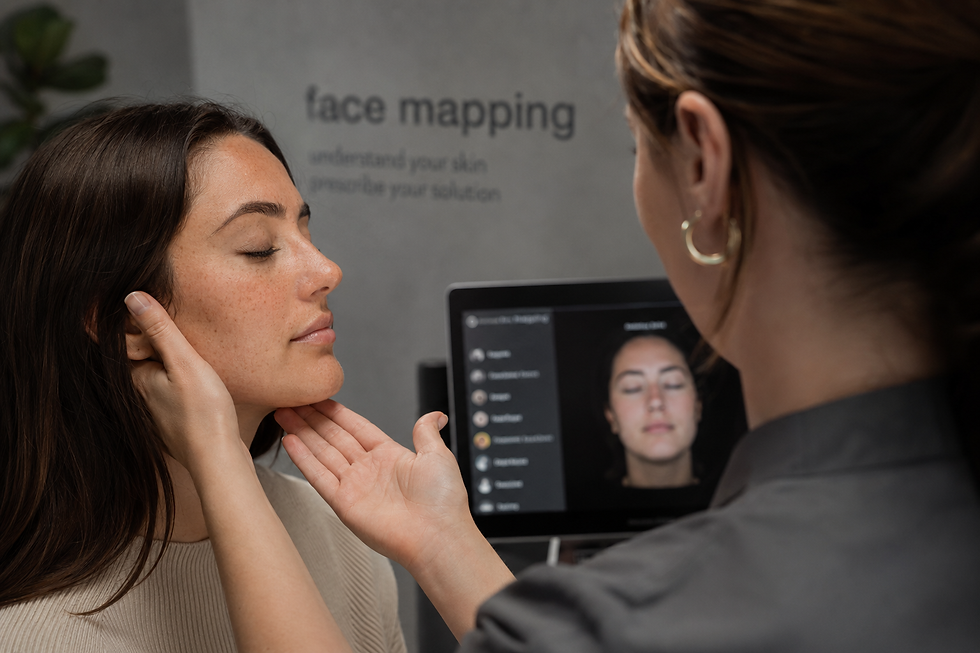
Dermalogica's Face Mapping process is a professional diagnostic tool. It is the foundation on which everything is built.
Face Mapping divides the face into fourteen zones and examines each one individually, looking for patterns that tell a story about what is happening systemically — not just superficially. Chronic congestion along the jawline tells a different story to congestion across the nose. Persistent redness across the cheeks, examined alongside a client's history of gut sensitivity and stress, is read very differently to redness caused by acute irritation from over-exfoliation. Pigmentation concentrated on the upper lip and forehead, in a woman in her mid-forties, raises a different clinical question to post-inflammatory pigmentation scattered after a period of acne.
This is not simplistic skin typing. I want to be clear about that, because the "what's your skin type?" question — oily, dry, combination, sensitive — is one of the great oversimplifications in skincare, and it has sent generations of people in entirely the wrong direction. Skin type is not fixed. It changes with hormones, with seasons, with stress, with medication, with age, with diet, with the products applied to it. The client who was oily at twenty-two is not necessarily oily at forty-two. The client whose skin feels tight and dry in November may be producing excess oil by April.
What matters is not type but condition. And condition is dynamic.
During a Face Mapping consultation, I am asking about lifestyle, about sleep, about stress levels, about gut health, about medication and supplements, about what products are currently in use and what they might be doing — helpful or otherwise. I am feeling the texture of the skin, looking at its tone and translucency, noting where the barrier is compromised and where it is functioning well. I am thinking about inflammation — which is at the root of most skin concerns, almost regardless of their presentation — and about what the treatment plan needs to address first.
This takes time. I give it time. Because the fifteen minutes spent in genuine consultation here saves the months spent in the wrong direction.
The Concept of Monthly Skin: ProSkin 30
Professional skin treatment works cumulatively. This is worth saying plainly, because it contradicts a fantasy that most of us hold — that we might have one exceptional facial and emerge with skin that has been fundamentally, permanently improved.
A single treatment can produce beautiful results. The ProSkin 30 is evidence of this. But the most significant, lasting changes in skin health happen in the space between treatments — in the continued application of homecare that has been correctly prescribed, in the gradual education of the skin's barrier response, in the layered, consistent work of professional-grade actives applied with the right frequency.
The ProSkin 30 is a thirty-minute customised skin treatment. It is not, as its duration might suggest, a lesser experience. It is designed around the specific skin concerns identified in assessment and adjusted at every visit to reflect the current condition of the skin. A client who comes monthly may receive a different treatment in February — focused on barrier repair and barrier strengthening after cold weather and central heating — than the treatment she receives in August, when UV exposure has brought forward pigmentation concerns and the goal becomes brightening and protection.
This is what customisation actually means in a professional setting. Not choosing a "facial type" from a menu, but having a treatment that is genuinely recalibrated each time based on where the skin is right now.
I see ProSkin 30 clients who are busy professionals — women and men who have limited time but who understand that consistent skin investment, in shorter increments, produces better results than sporadic longer treatments. Monthly maintenance is what keeps skin in a state of ongoing health rather than constant recovery. It is the rhythm that, over years, produces the quietly excellent skin that people notice without being able to attribute.

The Longer Conversation: ProSkin 60
The ProSkin 60 is something different.
Not simply more of the same, but a different quality of experience — slower, deeper, more layered. Sixty minutes is long enough to address multiple skin concerns in sequence; to work through a thorough double cleanse and exfoliation before arriving at the targeted treatment phase; to include massage protocols that work on facial circulation, lymphatic drainage, and muscle tension in a way that short treatments simply cannot accommodate.
The results of a ProSkin 60 are often immediately visible in a way that extends beyond what any product alone achieves, because the massage and treatment time physically changes the behaviour of the skin — circulation improves, oxygenation increases, lymphatic flow shifts fluid from areas of puffiness, the muscles of the face release tension that we hold chronically and entirely unconsciously.
There is also something harder to quantify but equally real about the experience of sixty minutes of focused, expert care. The particular quality of stillness that descends. The way clients — who arrived with the compressed, held-together energy of modern life — exhale somewhere around the fifteen-minute mark and stop performing composure. The treatment room becomes, temporarily, a place outside ordinary time. And skin that is held in a state of chronic cortisol exposure — the skin of stress and urgency and insufficient sleep — responds differently when the nervous system is allowed, however briefly, to rest.
I notice this acutely. The skin does not work against you during treatment when the client is deeply relaxed. It cooperates.
The ProSkin 60 is the treatment I most often recommend for new clients — particularly those who have never had professional skin treatment, or who are addressing a complex skin concern for the first time. It gives me enough time to do the work properly, and it gives the client enough time to feel, genuinely, that something has shifted.
When Skin Is Angry: Pro Calm and the Complexity of Reactive Skin
There is a particular kind of distress that comes with reactive skin, and it is not only physical.
The client who comes to me with rosacea has usually been living with it for years. They have tried things that made it worse. They have received well-meaning advice — avoid spice, avoid wine, avoid stress, which is an excellent suggestion, thank you — that has not helped, or has helped inconsistently, or has produced improvement in one area while triggering flare in another. They have watched their skin respond unpredictably to things that should be benign: a change in weather, a modest glass of wine, the particular emotional physiology of a moment of embarrassment, a walk between a warm room and cold air.
They have often, also, damaged their barrier further in the attempt to improve things. Over-exfoliation is one of the most common presentations I see in reactive skin. The client who was told their skin was "congested" and proceeded to use acids and scrubs and exfoliating devices in quantities appropriate to a very different skin condition. Whose barrier — the lipid-rich protective layer that sits at the surface of the skin and determines its resilience — was progressively stripped. Whose skin became more reactive, not less. Whose pores appeared larger, not smaller. Whose redness, rather than resolving, intensified and spread.
Barrier dysfunction is the thread that runs through most reactive skin presentations, regardless of their specific diagnosis. Whether the underlying issue is rosacea, eczema, perioral dermatitis, psoriasis, or the menopausal skin sensitivity that I see with increasing frequency in my clients in their mid-forties and fifties — the common factor is almost always a compromised barrier failing to protect the skin from triggers it would otherwise manage.
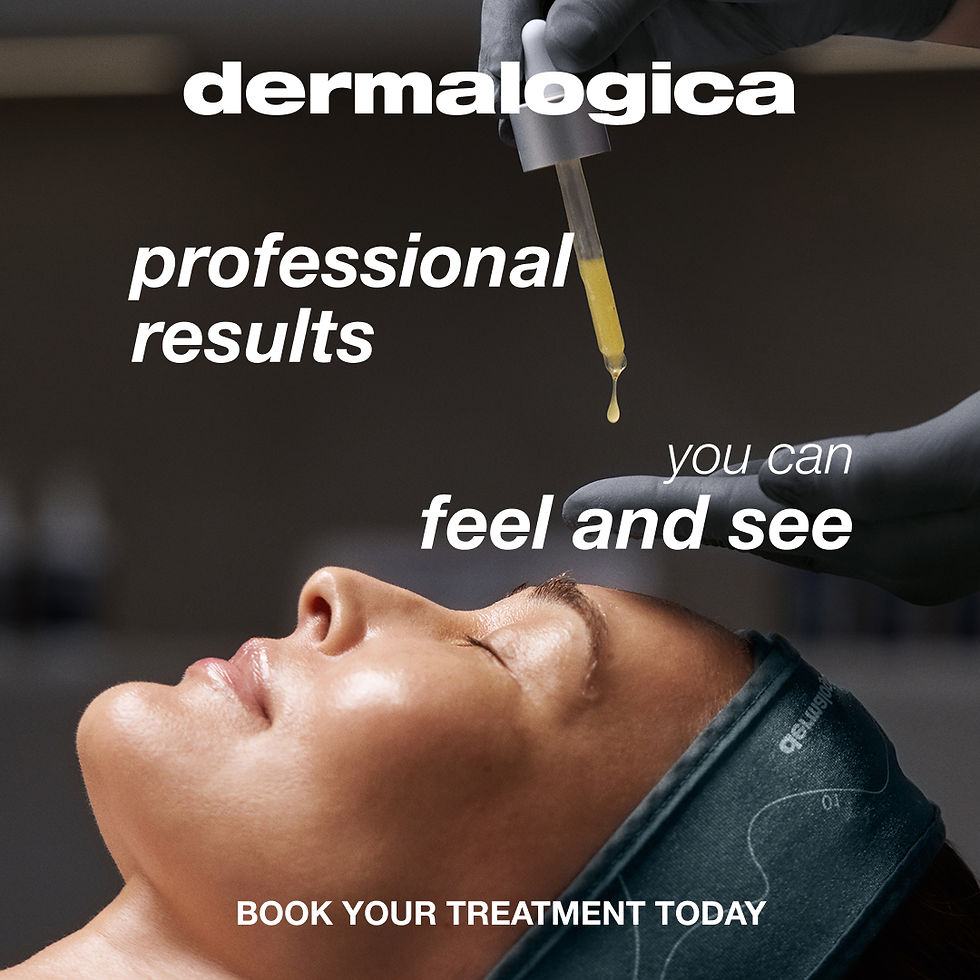
Pro Calm is designed specifically for this.
The treatment works to actively reduce inflammation while simultaneously restoring barrier integrity — which is the correct order of operations. You cannot rebuild a barrier effectively while the skin is in a state of active inflammation. You must first calm, then repair. The Pro Calm protocol understands this sequencing. It uses professional-grade anti-inflammatory active ingredients alongside barrier-supportive lipids and peptides, applied in a treatment environment designed to avoid every potential trigger: no steam, no aggressive exfoliation, no heat, nothing that a reactive nervous vascular system will interpret as threat.
The results, particularly over a course of treatments, can be quietly transformative. Not dramatic — the skin doesn't suddenly look like someone else's. But the red that was constant becomes intermittent. The tight, burning sensation that accompanied every product application gradually softens. The skin begins to tolerate. Gradually, to cooperate.
I want to speak to the menopausal client specifically here, because this is a demographic whose skin changes have been underserved in beauty writing and, historically, in clinical practice too. The hormonal shifts of perimenopause and menopause alter the skin profoundly: oestrogen decline reduces collagen production, impairs the barrier, increases transepidermal water loss, and creates a specific pattern of sensitivity and redness that is distinct from rosacea but is often treated identically. It is not identical. The skin of a fifty-three-year-old experiencing significant oestrogen withdrawal needs a different approach to the skin of a twenty-eight-year-old with chronic rosacea, even if the visual presentation has similarities.
Pro Calm, combined with carefully considered homecare and a treatment plan that accounts for hormonal timing and triggers, is one of the most consistently effective interventions I offer to menopausal clients dealing with reactive skin. The relief — both physical and psychological — is real.

Acne Is Not a Teenage Problem: Pro Clear and the Emotional Architecture of Breakout Skin
The adult acne client is rarely who skincare content imagines.
She is not a teenager. She is, frequently, in her thirties or forties, with a professional life and a level of self-awareness that makes the presence of active breakouts feel disproportionately difficult. She has, in many cases, already spent years and significant money addressing the problem. She has tried prescription retinoids and topical antibiotics and hormonal contraception as acne management and dietary elimination and the various approaches that social media has offered as solutions, some of which helped somewhat and some of which made things considerably worse.
She comes to me tired. Not just of the acne itself, but of the emotional weight of it — the way it occupies mental space, the way it affects the decisions she makes about how to present herself, the careful choreography of concealer applied in particular lighting, the low-grade exhaustion of managing something that nobody else can see requires managing.
I know this because clients tell me. Often in the consultation, with a frankness that suggests they have been waiting for someone who will take it seriously without dismissing it.
Adult acne is almost always hormonal in origin, though it is frequently complicated by a compromised barrier — often the result of previous aggressive treatment — and by the inflammation that characterises modern life: disrupted sleep, cortisol elevation, processed dietary patterns, the chronic low-level physiological stress of contemporary existence. The skin reflects all of this. Particularly along the jawline and chin, which are the zones most responsive to androgen fluctuation, and across the lower cheeks and neck in patterns that often intensify in the week before menstruation or during periods of elevated stress.
Pro Clear addresses acne and congestion through a multi-layered clinical approach that balances efficacy with barrier respect. This distinction matters enormously, because the most common mistake in acne treatment — at home and in many professional settings — is the prioritisation of destruction over restoration. Stripping the skin of oils. Targeting bacteria aggressively. Applying actives in concentrations that produce visible peeling as a proxy for "working."
This approach frequently makes adult acne worse. The barrier, stripped and compromised, becomes more vulnerable to the bacteria that contribute to breakouts. The skin, interpreting its environment as hostile, upregulates oil production in a protective response. The result is a cycle: more stripping, more reactivity, more breakouts, more stripping.
Pro Clear interrupts this cycle. The treatment clears congestion through professional extractions — which, performed properly on appropriately prepared skin, produce far better outcomes than any at-home attempt — and supports the skin's own antibacterial function without destroying its protective architecture. The professional-grade actives used in the Pro Clear protocol are formulated to address acne bacteria while simultaneously supporting barrier function and reducing the inflammation that underlies most breakout presentations.
The emotional shift that occurs over a course of Pro Clear treatments is something I have watched, over years, with consistent quiet satisfaction. Not only the skin improvement — which is real and often significant — but the loosening of the particular kind of self-consciousness that active acne creates. The returning of a face to something that feels, simply, one's own.
Light, Luminosity, and the Intelligent Approach to Pigmentation: Pro Bright
Pigmentation is one of the most emotionally loaded skin concerns I encounter in practice. It is also one of the most frequently mismanaged.
The mismanagement is understandable. Pigmentation presents in so many forms — post-inflammatory hyperpigmentation left by previous acne, melasma triggered by pregnancy or contraception or sun exposure, the diffuse freckling and uneven tone that accumulates with years of UV exposure, the specific pattern of hormonal pigmentation that darkens upper lips and cheekbones in ways that read, to the person experiencing them, as ageing faster than they should be. Each of these presentations is different. Each requires a different approach. And many of the approaches most aggressively marketed for pigmentation — high-strength bleaching agents, poorly calibrated laser treatments, acid peels applied without regard to Fitzpatrick skin type — produce either limited results or, in darker skin tones, new damage.
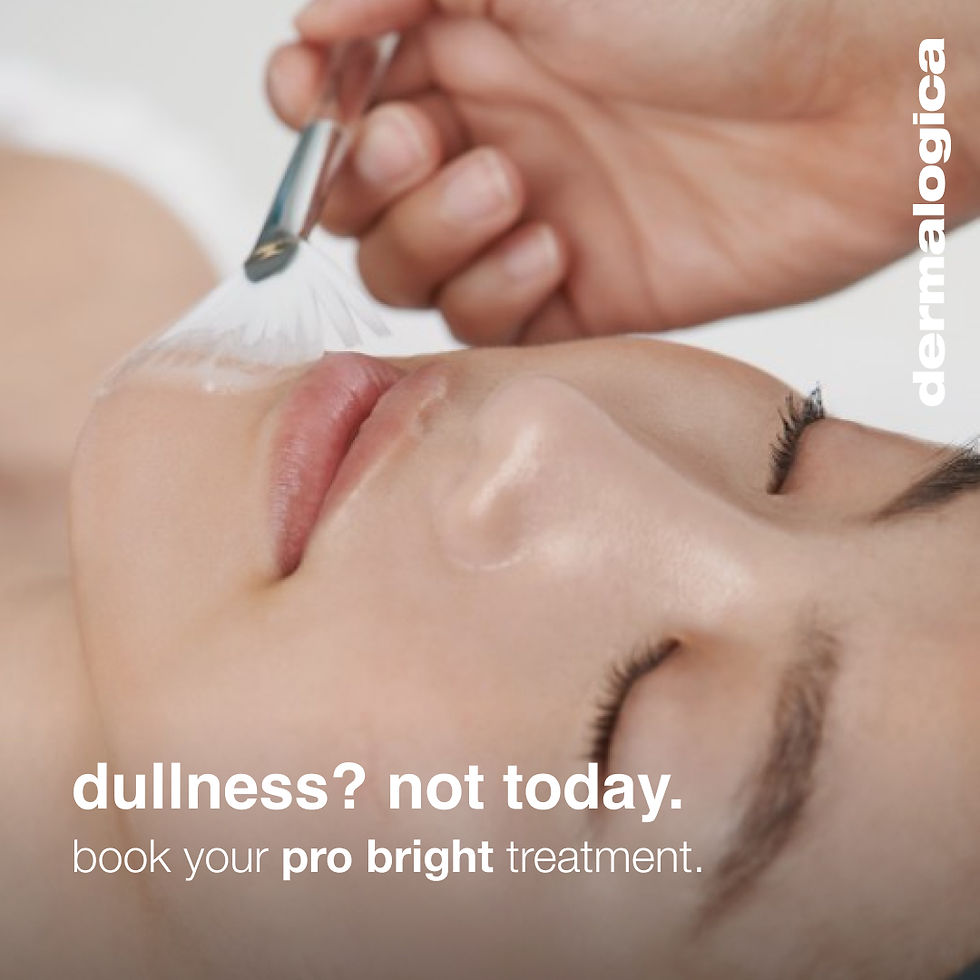
The Dermalogica Pro Bright treatment works differently. It works intelligently.
The approach combines vitamin C infusion — a highly effective brightening active that works by inhibiting tyrosinase, the enzyme responsible for melanin production — with niacinamide, which addresses uneven tone through a different mechanism, and a carefully calibrated exfoliation that accelerates the shedding of pigmented surface cells without triggering the post-inflammatory response that would, paradoxically, worsen the very pigmentation being treated.
This is the tension at the heart of all pigmentation treatment: aggression makes it worse. The skin that feels irritated produces more melanin as a protective response. The treatment that induces significant inflammation — in pursuit of a quick visible result — frequently results in rebound pigmentation that is darker and more persistent than the original. Pro Bright sidesteps this by working in partnership with the skin's natural processes rather than overriding them.
The results are not instantaneous. I say this clearly to every pigmentation client, because the expectation of overnight results is one of the most common reasons clients abandon treatments that are actually working. Melanin that has accumulated over years moves slowly. The realistic timeline for visible improvement in moderate pigmentation, with consistent treatment and diligent sun protection — which is non-negotiable, always, in any brightening programme — is between six and twelve weeks. In more complex presentations, including melasma, longer.
What the Pro Bright treatment offers within a single session is luminosity — a quality of light in the skin that is distinct from simply being paler. A brightened, hydrated, vitamin-C-infused skin reflects light differently. It looks alive. Awake. Healthy. The kind of skin that people describe, admiringly, as "glowing" — meaning not shiny, not plastered in highlighter, but genuinely, internally luminous. That quality is achievable quickly. The correction of pigmentation patterns comes more slowly, but it comes.
For clients with deeper skin tones — for whom the risk of post-inflammatory hyperpigmentation is higher and the choices available in many clinics are more limited — the pro-bright approach, combined with Fitzpatrick-inclusive treatment planning, offers a safe and effective pathway. Dermalogica's commitment to skin inclusivity is something I respect deeply. Skin health is not a concern that belongs to one demographic. Every skin deserves evidence-led care.
Structure and Resilience: Pro Firm and the Long Game

There is a particular kind of invisibility that good structural aesthetics produces. It is the invisibility of looking well — of skin that appears firm and resilient and adequately supported — without looking like anything specific has been done to it.
This is what I am working toward with Pro Firm.
Collagen decline begins in the late twenties. It is not dramatic at first — the skin has considerable reserves, and for years the changes are subtle enough that most people don't notice them until one day they do, and then they cannot un-notice them. The slight softening of a jaw that was once cleanly defined. The loss of that quality of buoyancy in the cheeks. The neck, which ages faster than the face and receives significantly less attention. The way the skin, when pressed gently, takes slightly longer to return to itself.
These changes are not evidence of failure. They are evidence of time. But they are also, within limits, addressable.
Pro Firm uses professional-grade peptides — the signalling molecules that communicate with skin cells and instruct them to produce structural proteins — alongside ingredients that support collagen crosslinking and skin resilience. The treatment also incorporates techniques that address circulation and lymphatic function, because structural skin health depends not only on what is present in the tissue but on how efficiently the tissue is nourished and cleared of waste. The skin that receives good blood flow and efficient lymph drainage simply looks better, at every age.
Menopause is worth addressing directly here, because the collagen loss associated with oestrogen decline is rapid in a way that surprises many clients. Research suggests that skin loses approximately thirty per cent of its collagen in the first five years after menopause. This is not something that homecare alone can adequately address. Professional treatment — particularly a combined programme of Pro Firm and, where appropriate, microneedling — creates the structural stimulus that encourages the skin to respond.
The goal is not reversal. I want to say this clearly, because "anti-ageing" as a concept carries an implicit promise that I think is both dishonest and counterproductive. The goal is resilience: skin that is functioning as well as it possibly can given where it is right now. Skin that is adequately supported, adequately nourished, and maintains the kind of quiet structural integrity that reads as health.
Health is the only aesthetic I am truly interested in.
The Architecture of Regeneration: Pro Microneedling
I have written elsewhere, in some depth, about microneedling — specifically about the science of collagen induction and what the controlled micro-injury of needling actually produces at a cellular level. I will not repeat the full clinical account here. What I want to speak to, in this context, is the specific quality of microneedling when it is performed as part of the Dermalogica PRO framework.
The difference is significant.

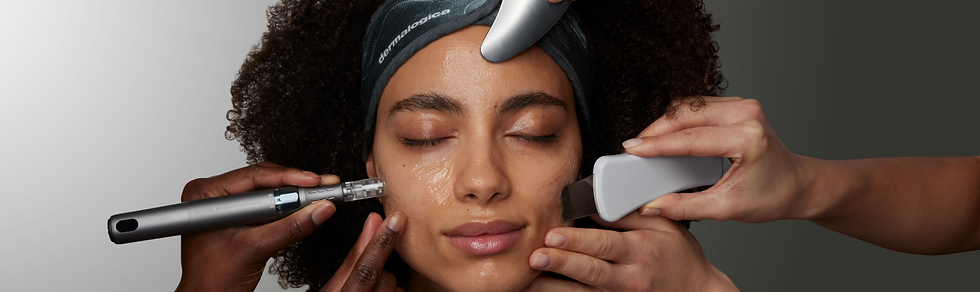
Microneedling creates channels in the skin. These channels — tiny, controlled, rapidly healing — do two things simultaneously. They trigger the wound-healing cascade that stimulates collagen and elastin production. And they dramatically increase the skin's ability to absorb the topical actives applied immediately post-treatment — by some clinical estimates, by several thousand per cent compared to application on intact skin.
This second point is what the Dermalogica PRO integration is designed to maximise. The professional-grade serums and recovery actives applied following needling in the Dermalogica protocol are formulated specifically for this purpose: for delivery into micro-channelled skin, at concentrations and with molecular structures designed to penetrate effectively and perform the specific functions needed in the immediate post-treatment phase. Barrier support. Anti-inflammatory response. Collagen precursors. Hydration-binding compounds.
The result of this integration is not simply better recovery. It is enhanced treatment outcome — the collagen stimulus of the needling combined with the intelligent infusion of the post-treatment phase creates a result that is measurably superior to needling with non-specific aftercare.
I combine Pro Microneedling with LED light therapy as a matter of course, because the evidence for LED in supporting post-needling recovery is compelling. Red LED in particular — which penetrates to the dermal layer and supports mitochondrial function within skin cells — accelerates the healing response and reduces the inflammatory window post-treatment, which means less downtime and a smoother trajectory to visible results.
The concerns Pro Microneedling addresses most effectively are texture improvement, acne scar refinement, enlarged pores, and the broader category of skin that has lost its surface quality — its fineness, its reflectivity — through cumulative sun exposure or through the natural collagen decline of time. It is also, at appropriate needle depths and with appropriate preparation, one of the most effective treatments available for the tethered, pitted scarring left by cystic acne — which is notoriously difficult to address with topical approaches alone.
The treatment requires proper preparation, a realistic understanding of the timeline for results — the skin's collagen response unfolds over weeks and months, not days — and a recovery protocol that is followed carefully. I provide written aftercare instructions with every microneedling treatment and I take the follow-up seriously. The relationship between practitioner and client does not end when you leave the treatment room.
Modern Resurfacing: Pro Power Peel
The word "peel" carries historical baggage.
The image it conjures — skin visibly sloughing, a period of enforced social hibernation, the alarming red of a face in active post-peel recovery — belongs to an earlier era of resurfacing. An era in which "results" and "downtime" were understood as directly proportional, and in which the approach to skin renewal was essentially aggressive: remove as much surface material as possible and wait for the skin to regenerate.
Professional peeling has evolved.

The Pro Power Peel is evidence of this evolution.
The treatment uses a customisable combination of exfoliating acids — including lactic, glycolic, salicylic, and mandelic acids in varying combinations — selected and calibrated based on the individual skin being treated, its Fitzpatrick type, its current condition, its specific concerns, and its previous exposure to actives. This is genuine customisation: not simply choosing "sensitive" or "advanced" from a menu, but building a resurfacing treatment from its component parts based on clinical assessment.
The inclusivity of this approach matters. Fitzpatrick types IV, V, and VI require different resurfacing strategies to lighter skin types — the risks of post-inflammatory hyperpigmentation are higher, the selection of acids must be more deliberate, the depth of penetration more carefully controlled.
The Pro Power Peel's customisable architecture allows me to perform effective professional resurfacing across the full range of skin tones without the anxiety that surrounds one-size-fits-all peel protocols.
The results of Pro Power Peel — improved texture, refined pores, brighter and more even tone, better product absorption in subsequent weeks — typically involve minimal visible downtime. The skin may shed very subtly over the following few days. It does not peel dramatically. It simply, gradually, looks better: clearer, more luminous, smoother to the touch.
For acne clients, the salicylic-forward variant of Pro Power Peel is particularly effective — salicylic acid is lipid-soluble, which means it penetrates into the follicle and clears congestion in a way that surface-acting acids cannot. For brightening clients, the lactic and mandelic combination works beautifully in preparation for, or in combination with, a Pro Bright treatment.
The treatments in the Dermalogica PRO ecosystem are designed to complement each other. They can be layered intelligently, in a treatment plan built around the individual.

LuminFusion: The Treatment That Earns Its Own Paragraph
There are treatments that produce results and treatments that produce an experience. The best ones do both simultaneously, and LuminFusion is — in my practice and in the experience of virtually every client who has had it — emphatically one of those.
I want to give LuminFusion proper attention here, because it represents something genuinely modern in professional skin treatment: a fusion treatment that combines advanced exfoliation, nanoinfusion technology, and targeted active infusion in a single protocol, with an immediacy and quality of result that is rare in treatments with essentially zero downtime.
The treatment begins with professional exfoliation — the removal of surface dead cells and the priming of the skin for what follows. This matters because the effectiveness of infusion technology depends almost entirely on how well-prepared the skin surface is. Unresurfaced skin, still carrying its layer of dead cells and surface debris, acts as a barrier to active penetration. Properly exfoliated skin becomes, temporarily, extraordinarily receptive.
The nanoinfusion phase uses a device fitted with a nanotip — a surface of thousands of microscopic channels, not needles, that creates transient permeability in the upper layers of the skin without the controlled injury of traditional microneedling. This is the key distinction: nanoinfusion does not trigger a wound-healing response, and therefore produces none of the redness, sensitivity, or recovery period associated with needling. The channels created are superficial and close within hours. But while they are open, the skin accepts the infused actives at a level of concentration and penetration that topical application could never approach.
The actives infused during LuminFusion are selected based on skin assessment and concern — brightening complexes, hyaluronic acid in multiple molecular weights for layered hydration, vitamin C, peptides, or a combination. The skin, in the immediate post-infusion phase, becomes visibly different. Not in an inflammatory or processed way. In a genuinely luminous way: a quality of light and plumpness and refinement that is difficult to describe but unmistakable to observe.
Clients often ask me to hold a mirror during the treatment so they can watch the result emerge. The face that greets them — still on the table, treatment complete — has a quality that I can only describe as awake. As if the skin has exhaled. The surface is smooth in a way that it was not an hour ago. The tone is more even. The under-eye area appears less compressed. The slight greyness that tired modern skin accumulates has simply, quietly, resolved.
This is a no-downtime treatment. Clients return to their day, their evening, their event, immediately. The results do not require waiting for recovery. They are there, real and immediate, when you leave.
I use LuminFusion as event preparation — weddings, formal occasions, important meetings — because it is the treatment that reliably produces the specific quality of skin that makes heavy coverage foundation unnecessary. Skin in the twenty-four to forty-eight hours after LuminFusion holds products differently. Concealer sits lighter. Foundation, if worn, looks like skin rather than like coverage. The person underneath it simply looks very well.
I also use it as a luxury monthly maintenance treatment for clients who want the highest possible standard of skin health without the recovery associated with more aggressive interventions. It works beautifully in this context. The cumulative effect of regular LuminFusion — the ongoing encouragement of surface cell renewal combined with the infusion of clinically meaningful concentrations of skin-supportive actives — produces a long-term improvement in skin quality that goes beyond any single session's result.
The closest analogy in the beauty vocabulary is "glass skin" — that phrase that circulates on social media with varying accuracy. True glass skin is not a filter effect. It is the quality of skin that is well-hydrated, finely surfaced, barrier-intact, and luminous from within. LuminFusion produces this. Not as a cosmetic illusion, but as the actual physiological condition of the skin in the hours and days following treatment.
It is, without question, one of the treatments I am most proud to offer.
MelanoPro: The Serious Business of Pigmentation Correction
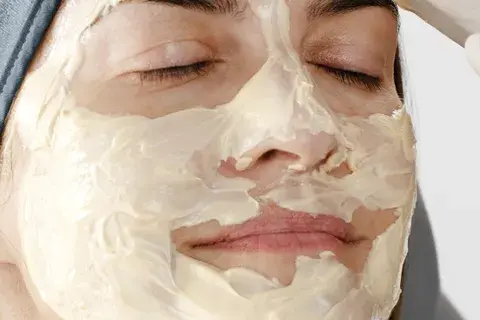
Where Pro Bright addresses pigmentation with a luminosity-focused, maintenance-compatible approach, MelanoPro is the clinical-strength programme for clients whose pigmentation requires a more intensive and sustained intervention.
The distinction is worth drawing clearly.
MelanoPro is not a single treatment. It is a programme: a course of treatments designed and sequenced to address established hyperpigmentation through multiple mechanisms, at professional-grade intensity, with a homecare protocol that supports and extends the in-clinic work between sessions. The programme uses a combination of chemical exfoliation, targeted brightening actives including tranexamic acid and kojic acid alongside vitamin C and niacinamide, and professional-strength melanin inhibitors in concentrations that are not available in retail skincare.
The candidacy for MelanoPro begins with honest assessment. Not every pigmentation concern requires this level of intervention. And not every pigmentation concern is equally responsive to it. Melasma — that deep, hormonally driven pigmentation pattern that clouds the upper face in the characteristic butterfly distribution — is one of the most difficult skin concerns in aesthetic medicine, and any practitioner who promises rapid resolution is, with respect, overstating the case. Melasma is treatable. It is improvable. It is not, in many presentations, curable — because the hormonal trigger remains, and the melanocytes that have been sensitised by years of stimulation will respond again to UV exposure or hormonal fluctuation.
What MelanoPro can achieve, consistently and with meaningful clinical impact, is the visible reduction of pigmentation, the restoration of a more even and luminous skin tone, and the establishment of a homecare and treatment protocol that maintains progress and minimises relapse.
The emotional dimension of this treatment is not incidental. Visible facial pigmentation — particularly melasma or extensive post-inflammatory hyperpigmentation — affects the way people present themselves, the products they feel they need, the level of confidence they feel in their own face. I have clients who have been covering pigmentation with full-coverage foundation for twenty years. Watching that dependency ease — gradually, over the arc of a treatment programme — is one of the more quietly meaningful things I observe in this work.
It is not about chasing a standard of perfection. It is about restoring comfort. The specific, particular comfort of feeling at ease in your own skin.
The Eye Area: Pro Eye Flash and the Fatigue We All Carry
Modern exhaustion has a face.
It lives, specifically, around the eyes.
The skin of the periorbital zone — the skin beneath and around the eye — is among the thinnest on the body. It has fewer oil glands than any other area of the face. It sits over a complex network of tiny blood vessels and lymphatic channels. It moves constantly — with every blink, every expression, every moment of sleep and wakefulness — and it accumulates evidence of all of it: the dark circles of insufficient sleep or genetic predisposition; the fine creasing of dehydration; the slight puffiness of a morning after too much salt, or too little sleep, or too much screen time at the wrong hours; the look that clients describe, with a resignation I recognise, as tired.
The Pro Eye Flash treatment addresses the periorbital zone specifically, with professional-grade actives designed for the distinctive physiology of this skin. Peptides that target the appearance of dark circles by supporting vascular function in the superficial capillaries. Hyaluronic acid delivered at depth for genuine volumising hydration. Caffeine and other drainage-supporting actives that address the puffiness component. The combination produces a visible result — an opening up of the eye area, a reduction in the compressed, shadowed quality of fatigue — that is apparent immediately and persists for several days.
I offer Pro Eye Flash as a standalone treatment and as an add-on to ProSkin 60, where it integrates naturally into the longer treatment architecture. As a standalone, it is a specific intervention for clients who carry their fatigue visibly in the eye area and want a targeted, rapid-result response. As an add-on, it completes a full-face treatment in a way that the eye area, so often overlooked in facial protocols, deserves.
Screen fatigue is not a trivial concern. The amount of time modern eyes spend converging on lit screens, the peripheral impact on the surrounding skin of constant squinting and adjustment, the disrupted circadian rhythms that screen use in the evening creates — these things accumulate in visible ways. Pro Eye Flash speaks directly to this accumulation.

Pro NanoInfusion: Refinement Without Pause
The question of downtime is one that comes up early in almost every advanced treatment consultation. How much time will I need? How will I look in the days following? Is there a version of this that doesn't require me to hide for a week?
For many clients, particularly those who cannot arrange recovery time around a treatment — or those who are preparing for a specific event and cannot risk arriving with reactive skin — Pro NanoInfusion is the answer.
The nanoinfusion principle is as I described in the LuminFusion section: transient micro-channelling of the skin surface that creates dramatically enhanced permeability for active infusion, without the wound-healing response and associated recovery of traditional microneedling. The skin accepts, during nanoinfusion, actives that would otherwise sit on its surface. It is hydrated, refined, and treated at a depth that topical application alone cannot reach.
As a standalone treatment, Pro NanoInfusion is one of the most elegant interventions in the Dermalogica PRO range: significant results — genuine improvement in skin texture, hydration, and tone — with no visible recovery period, no redness beyond what resolves within hours, no requirement for altered plans or adjusted social calendars.
I use it regularly for pre-event preparation — wedding skin programmes are a particular context where Pro NanoInfusion has an important role, in the weeks and months before a wedding, building skin quality gradually and safely — and for clients who are either too sensitive for needling or who simply prefer the zero-downtime profile.
The refinement it produces is real. Skin texture improves. Fine lines in the superficial epidermis respond to the hydration infused at depth. The surface develops a quality of fineness — a reduction in visible pore size, an improvement in the skin's light-reflective properties — that makes it one of the most visible no-downtime treatments available in professional skin care.
What Home Cannot Do: The Philosophy of Professional Skin Health
I want to be clear about something, because I think it gets lost in a great deal of skincare content.
Homecare matters. The products applied daily have a cumulative effect on skin health, and I invest significant consultation time in ensuring that each client leaves with a homecare protocol that is genuinely appropriate for their skin — not a generic prescription, not an overwhelming shelf of products, but a considered, intelligently sequenced routine that supports the work done in the treatment room.
But home cannot do what professional treatment does. This is not a commercial argument. It is a physiological one.
The concentrations of active ingredients available in retail skincare products — even very good ones, even professional-grade brands sold through legitimate channels — are limited by regulation, by stability requirements, and by the simple fact that products designed for self-application must be safe in the hands of all users, regardless of their skin knowledge. The concentration of vitamin C in your home serum is not the concentration available in a professional brightening treatment. The exfoliation achieved by your home acid is not the exfoliation achieved in a professionally administered, appropriately selected chemical peel. The penetration depth of your home moisturiser, applied to intact skin surface, is not the penetration depth of actives infused through nanoinfusion or needling channels.
The gap between these two things — home and professional — is not a gap between good and excellent. It is a gap in mechanism. They work differently. And the best skin health outcomes I see in practice are in clients who do both: who maintain a thoughtful, well-prescribed home routine and who attend for professional treatment regularly enough for the in-clinic work to build continuously rather than being reset each time.
This is the philosophy of No.1 Urban Aesthetics. Homecare and professional treatment as complementary halves of a single programme. Skin health as a long-term project, not a series of disconnected appointments. Regeneration over alteration. Resilience over perfection.
Healthy skin does not need to be transformed. It needs to be understood.
Treating Skin With Kindness: Regenerative Aesthetics and the Long View
There is a movement in aesthetic medicine — one I find deeply encouraging and fundamentally correct — toward what is increasingly called regenerative aesthetics. The term encompasses an approach to skin health that prioritises restoration over alteration, that works with the skin's own biology rather than overriding it, and that measures success not in dramatic short-term transformations but in the long-term quality and resilience of the skin's function.
The Dermalogica PRO ecosystem fits naturally within this philosophy. Every treatment in the range — from the gentlest ProSkin 30 to the most advanced microneedling protocol — is designed around the principle of supporting the skin's intrinsic capacity for renewal and repair. The goal is always to leave the skin more capable: better at protecting itself, better at hydrating itself, better at renewing its surface, better at maintaining the structural integrity of its deeper layers.
This is different from the approach that prioritises visible transformation at any cost. That approach — aggressive peeling, over-needling, stacking treatments without adequate recovery — produces impressive short-term results and frequently poor long-term outcomes: a skin that has been pushed hard, repeatedly, past its capacity to recover, and which begins to show the specific quality of overtreatment: a certain thinness, a kind of hyperreactivity, a fragility that makes maintaining results increasingly difficult.
I have seen this. I see it regularly in clients who come to me following treatment elsewhere, asking for something that can restore what has been depleted. It is one of the clinical presentations I find most motivating to address, and also one of the most sobering to observe: the evidence of enthusiasm without restraint, of result-seeking without skin-listening.
The long view is more interesting. The skin that is treated consistently, intelligently, and with genuine respect for its biology is the skin that improves progressively over years. That looks better at forty-five than it did at thirty-five — not because it has been altered to look younger, but because it has been continuously supported to function better. That does not require heavy concealment. That belongs, comfortably, to the face and the person it is part of.
That is the skin I am working toward, in every client, in every treatment.
The Skin You Carry: On Confidence and Seeing Yourself Clearly
This is the part of the article that does not sit comfortably in a clinical framework, and I am going to write it anyway.
I have watched people look at their skin in mirrors for years. I have watched the way the face tightens when a client first sees themselves under treatment-room lighting — the specific, unflattering neutrality of professional light that illuminates everything without softening anything. I have watched the quick, involuntary self-assessment: the eyes going first to the thing they hate, moving across the surface of their own face with a kind of critical fluency that speaks to long practice.
Most people see their skin with far less kindness than they extend to anyone else. They notice, first and foremost, the things that are wrong. The redness. The unevenness. The fatigue. The pores. The pigmentation. They have a vocabulary — precise and punishing — for everything that isn't as it should be.
What they notice less readily is what is also there: the particular quality of their own light, the character that time and expression have built into a face, the specific combination of features that belong to nobody else. These things exist alongside the concerns. But they are harder to see when you have been practising a kind of critical attention for decades.
I am not suggesting that skin concerns are not real, or that the distress they cause is not valid. They are real. The distress is valid. The work we do at No.1 Urban Aesthetics addresses that distress with genuine clinical rigour.
But I notice, more and more, that the clients who make the most significant progress — whose skin health improves most consistently over time — are not always the clients who started with the most concerning skin. They are the clients who develop, alongside the clinical work, a slightly different relationship with their own face. Who begin to see improvement more readily than fault. Who arrive for their monthly treatment with a quality of interest and engagement rather than dread. Whose skin seems, in some sense, to respond to being looked at with curiosity rather than criticism.
This is not mysticism. The skin is an organ of the nervous system. It responds to the physiological environment created by how we think and feel. Chronic cortisol elevation — the biochemical signature of chronic stress and self-criticism — impairs barrier function and increases inflammation. The skin of a person in sustained psychological distress is physiologically different to the skin of a person who is, most of the time, reasonably well.
Confidence is not a vanity project. It is, in part, a skin health intervention.
You do not need to arrive here loving your skin. You do not need to arrive here confident in your appearance or free from the reflexive criticisms that most people hold about their own faces. You need only arrive willing to begin — and to keep going.
We will work with what is actually here. The skin you actually have. The face that is actually yours.
That is always enough to begin with.
An Invitation, Rather Than a Close
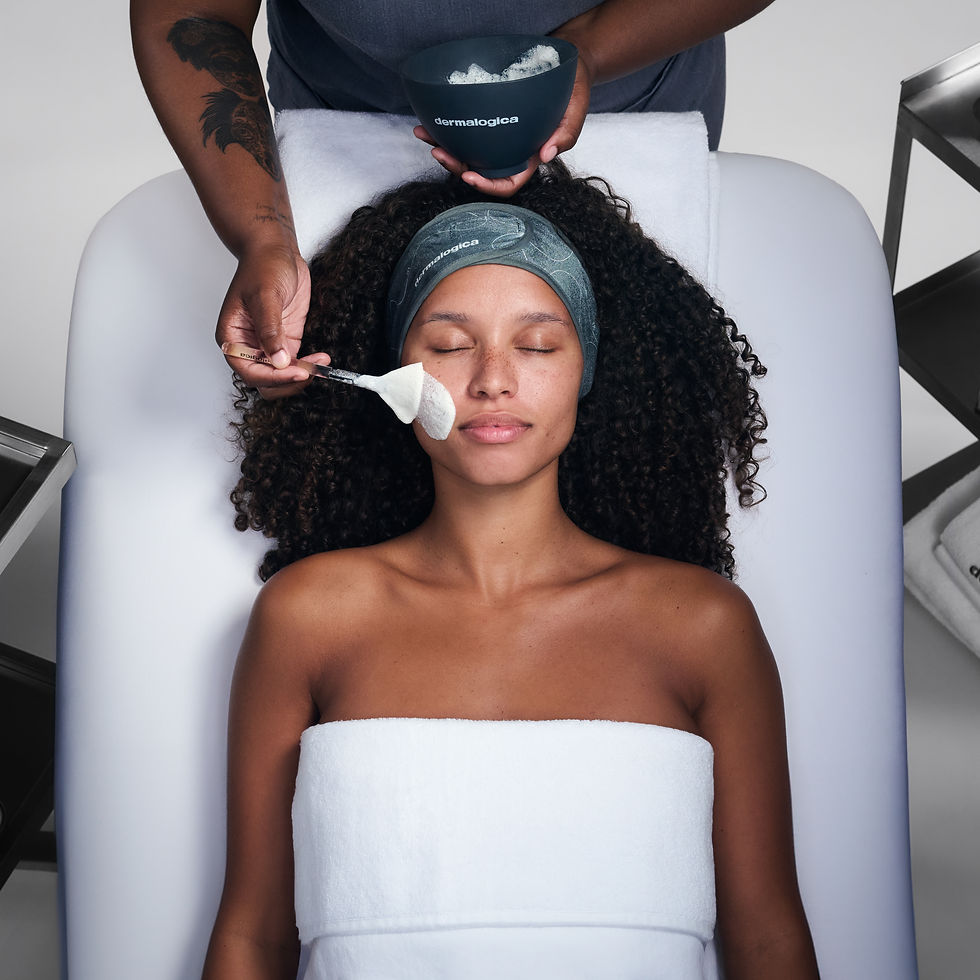
We offer a comprehensive skin consultation at No.1 Urban Aesthetics that is the genuine starting point for everything that follows.
It is not a sales consultation. It is not a walk through a treatment menu. It is an honest, expert assessment of your skin — its current condition, its history, its specific concerns and patterns — followed by a considered treatment plan that makes sense for where your skin is right now, and for where you want it to be over time.
We are based in Newcastle-under-Lyme, and we work with clients across Stoke-on-Trent, Staffordshire, Cheshire, and further. Our practice is nurse-led and consultation-first. We do not offer treatments we do not believe are appropriate. We do not stack services to increase transaction value. We treat the skin in front of us, not the skin we wish was in front of us.
If you have been searching for a professional skin clinic in Staffordshire where the approach is genuinely clinical, genuinely personalised, and genuinely focused on long-term skin health rather than short-term spectacle — this is that clinic.
When you are ready, we are here.
Your Questions, Answered
Real client questions. Real answers. No reassuring vagueness.
How often should I have professional skin treatment?
This depends on your skin concern, your skin goals, and your lifestyle. As a general framework: clients focused on maintenance and ongoing skin health typically see excellent results with monthly ProSkin 30 treatments, supplemented by a ProSkin 60 quarterly. Clients addressing specific concerns — active acne, established pigmentation, significant collagen decline — will often benefit from more frequent initial treatment, followed by a maintenance schedule once the primary concern has been addressed.
The most important thing is consistency. Sporadic treatment works against itself: the skin improves, then regresses, then improves again. Consistent professional treatment allows the gains of each session to compound over time.
Is there downtime with Dermalogica PRO treatments?
It depends on the treatment. LuminFusion and Pro NanoInfusion are genuinely zero-downtime — clients return to normal activity, makeup application, and social engagements immediately. ProSkin treatments may leave the skin slightly flushed for a few hours; this resolves quickly and can be covered if needed.
Pro Power Peel may produce subtle, dry flaking over the following few days — not dramatic peeling, but a gentle shedding that should be managed with supportive homecare and sun protection. Pro Microneedling produces redness and sensitivity for 24–48 hours, and the skin should be treated gently during this period. Clients having microneedling should avoid active makeup, saunas, and vigorous exercise for 48 hours post-treatment.
I discuss downtime expectations in detail during consultation and before every treatment.
I have very sensitive, reactive skin. Can I still have professional treatment?
Yes. And, in many cases, professional treatment is more appropriate for reactive skin than an unsupported home routine — because the assessment and clinical expertise involved means the treatment is calibrated specifically to avoid triggers and support barrier recovery.
Pro Calm is designed specifically for reactive, sensitive, and barrier-compromised skin. It does not use steam, aggressive exfoliation, or heat. The entire protocol is built around anti-inflammatory support and barrier restoration.
That said, new clients with complex reactive presentations — severe rosacea, active eczema, psoriasis — receive a thorough consultation before any treatment proceeds, and I may recommend a medical review for any condition that falls outside aesthetic scope.
What about acne? Won't treatment make it worse?
It can, if it is the wrong treatment. This is exactly why assessment matters.
The wrong approach to acne skin — aggressive exfoliation, stripping actives, heat and steam — can absolutely worsen breakouts by further compromising the barrier and triggering an inflammatory response. Pro Clear avoids all of these. It is designed specifically for acne skin, using a protocol that reduces congestion and bacterial load while simultaneously supporting barrier function and reducing the chronic inflammation that underlies most adult acne presentations.
If you have active breakouts, please tell me during consultation. It changes the treatment I will design for you — but it does not disqualify you from treatment. The opposite, often.
I'm in perimenopause/menopause and my skin has changed dramatically. Where do I start?
With a consultation. Honestly, this is the correct answer for almost any skin question, and it is particularly true for menopausal skin, which presents with a combination of concerns — reactive sensitivity, collagen decline, new or worsened pigmentation, barrier dysfunction, changes in texture and hydration — that can't be addressed with a one-size-fits-all protocol.
In general terms, menopausal skin benefits enormously from a barrier-first approach: ensuring the skin's protective function is robust before any more active treatments are introduced. Pro Calm is often an appropriate starting point. Pro Firm, and where appropriate microneedling, addresses the structural changes. Pro Bright supports the pigmentation that often emerges or intensifies in this period.
You are not too late to start. In fact, clients who begin a professional skin health programme during perimenopause often have noticeably better outcomes over the following decade than those who start later — because the earlier the structural support begins, the better the long-term trajectory.
What is the difference between LuminFusion and Pro NanoInfusion?
They share the nanoinfusion principle but differ in scope and intention.
Pro NanoInfusion is a focused infusion treatment — the emphasis is on targeted active delivery and skin refinement, with appropriate exfoliation in preparation. It is elegantly effective, zero-downtime, and excellent for texture, hydration, and event preparation.
LuminFusion is a more comprehensive fusion experience — it incorporates advanced exfoliation, nanoinfusion, and the specific luminosity-targeted actives that create that distinctive immediate radiance. It is a longer treatment, produces a more pronounced immediate result, and sits within the clinic's premium treatment offering.
Both have their place. The right choice depends on your skin, your concerns, and what you are looking for from the session. We discuss this during consultation.
Does Pro Bright or MelanoPro work on all skin tones?
Yes, with important qualifications about approach and safety.
Fitzpatrick skin types IV–VI require more cautious management in brightening programmes — the risk of post-inflammatory hyperpigmentation (new pigmentation triggered by inflammation from the treatment itself) is higher, and acid strengths and active concentrations must be selected accordingly. This is not a reason to avoid treatment; it is a reason to work with a practitioner who understands Fitzpatrick inclusive skin care.
Dermalogica's frameworks are designed with inclusivity in mind, and my training includes specific protocols for darker skin tones. I assess Fitzpatrick type as part of every pigmentation consultation and adjust the treatment plan accordingly.
How long before I see results from a course of treatment?
This depends on the concern being addressed and the treatment modality used.
LuminFusion and Pro NanoInfusion produce visible results immediately — luminosity, refinement, and improved hydration are apparent the same day.
Structural treatments — Pro Firm, Pro Microneedling — produce their most significant results over a period of weeks to months, as the collagen response to treatment unfolds. Clients typically notice improvement from around four weeks, with optimal results at three months.
Brightening treatments — Pro Bright and MelanoPro — show initial luminosity improvement quickly, with meaningful pigmentation correction developing over six to twelve weeks of consistent treatment and diligent sun protection.
Acne treatments — Pro Clear — often show improvement within the first two to three treatments, with more significant reduction in active breakouts and post-inflammatory marks over a course of six to eight sessions.
Patience is part of the programme. I ask every client to commit to a plan and to evaluate results at the agreed assessment point — not after the first treatment.
Can I combine different Dermalogica PRO treatments?
Often yes, and sometimes the combination is more effective than either treatment alone. Microneedling followed by LED therapy is a standard combination in my practice. LuminFusion can be preceded by a ProSkin exfoliation stage for enhanced effect. Pro Eye Flash combines naturally with ProSkin 60 as an add-on.
What I will not do is combine treatments in ways that risk overloading the skin or producing unnecessary inflammation. Assessment guides every decision about combination — not ambition for maximum effect.
I've been using a lot of actives at home. Should I stop before treatment?
It depends on which actives and at what stage of your skin's current behaviour. Strong retinoids, high-percentage acids, and some vitamin C formulations may need to be paused before certain treatments — I will discuss this specifically during consultation and pre-treatment.
The homecare audit is part of every consultation. What you are currently using — and whether it is helping, hindering, or potentially interfering with treatment — is information I need.
Is LED therapy scientifically supported?
Yes, robustly. Photobiomodulation — the mechanism underlying LED skin therapy — is one of the better-evidenced treatment modalities in aesthetic medicine. Red and near-infrared wavelengths penetrate to the dermis and support mitochondrial function within skin cells, stimulating ATP production and cellular repair processes. The clinical evidence for red LED in reducing inflammation, supporting wound healing, and stimulating collagen production is significant.
I integrate LED into microneedling protocols as a matter of course, and offer it as a supportive modality within other treatment combinations. The results — particularly for post-treatment recovery acceleration and the management of inflammatory skin conditions — are consistently positive in my clinical observation.
What homecare do you recommend between treatments?
This is always prescribed individually during consultation — there is no universal answer, and anyone who gives you one is either guessing or not paying attention.
In general terms, the homecare principles I return to most often are: a gentle, appropriate cleanser that does not strip the barrier; SPF as a daily non-negotiable (the single most impactful thing most people can do for long-term skin health and pigmentation management); a targeted treatment product aligned with your primary concern; and adequate hydration at the right molecular size for your skin's current permeability.
No routine should be so complex that it becomes difficult to maintain. The routine you will actually follow is significantly more valuable than the optimal routine you abandon after two weeks.
Can men have Dermalogica PRO treatment?
Yes. Entirely. Skin does not have a gender and nor does good skin health.
Male skin has specific physiological characteristics — higher average sebum production, thicker dermis, the unique consideration of facial hair and the impact of shaving on barrier integrity — that inform treatment selection and protocol. The ProSkin treatments adapt to male skin as naturally as to any other presentation. I have male clients across a range of ages and concerns, and the treatment room is, I hope, a comfortable space for all of them.
What makes No.1 Urban Aesthetics different from other skin clinics in Staffordshire?
The honest answer: the approach before the treatment.
The consultation, the assessment, the clinical reasoning behind every decision about what to do and why. The fact that I am a registered nurse who has built an advanced aesthetic practice around skin health rather than treatment volume. The fact that I am deeply uninterested in trend-led aesthetics and deeply interested in long-term skin resilience.
There are excellent skin clinics in Staffordshire. I would not claim exclusivity on expertise. What I can tell you is that every client who sits in my consultation chair receives my full clinical attention and a treatment plan that reflects their actual skin — not an approximation, not a package, not a menu choice — and that the quality of that experience is something I protect with real professional care.

Rebecca Beckett RN — Registered Nurse | Advanced Aesthetic Practitioner | Dermalogica Expert Qualified
Serving Newcastle-under-Lyme, Stoke-on-Trent, Staffordshire, Cheshire and surrounding areas.
IG: @No.1urban
01782 444086
No.1 Urban Aesthetics | Newcastle-under-Lyme | Stoke-on-Trent | Staffordshire
Ready to book a consultation?
No.1 Urban Aesthetics — nurse-led clinic in Newcastle-under-Lyme. Delivered by Rebecca Beckett RN, Advanced Nurse Practitioner.
Call: 01782 444086 • WhatsApp: Message us • Book a consultation online

