You Bought the Products. No One Told You How to Use Them : Skin Care products explained

Updated: May 4
By Becky Beckett, No.1 Urban Aesthetics

The £300 Shelf That’s Quietly Failing You
There’s a moment most people recognise. You’re in Boots or scrolling late at night. You’ve got a Vitamin C serum in one hand, a retinol in your basket, and something with hyaluronic acid that everyone online swears by. It feels proactive — like you’re finally doing something right for your skin.
But here’s the reality most brands won’t tell you:
It’s not that you’re choosing the wrong products. It’s that you’re using the right products in the wrong way, at the wrong strength, in the wrong combinations.
So nothing dramatic happens. Your skin doesn’t collapse overnight. It just… never improves. Slightly dry. Slightly reactive. Slightly breaking out. Slightly dull.
And the response? Buy another serum.
It’s Not Your Skin — It’s the Formulation
Skincare Without Structure
Modern skincare has become ingredient-obsessed, but not outcome-focused. People recognise names — retinol, niacinamide, vitamin C — but don’t understand how to use them together.
So routines become layered, repetitive, and conflicting. It’s the skincare equivalent of going to the gym and doing every machine randomly with no plan. More effort doesn’t mean better results. It often means irritation, confusion, and eventually giving up.
Retinol: The Gold Standard That People Get Wrong
Retinol remains one of the most clinically proven ingredients in skincare. It accelerates cell turnover, stimulates collagen production, and improves texture over time. Used properly, it works.
The problem is how it’s used in the real world. Most people either choose products that are too weak to make a difference or too strong for their skin to tolerate. Add in the fact that retinol degrades with light and air, and suddenly that “high strength” serum might not even be delivering what it claims.
Then comes user error — applying it nightly from day one, mixing it with acids, skipping SPF. That’s where irritation begins.
Strength Matters
Retinol is not a “more is better” ingredient.
0.1–0.3% → beginner range
0.5% → moderate strength
1%+ → higher irritation risk
What This Looks Like in Real Life
If you’re starting out, you’re looking for a lower-strength, stabilised formula that introduces the ingredient gradually while supporting the skin barrier.
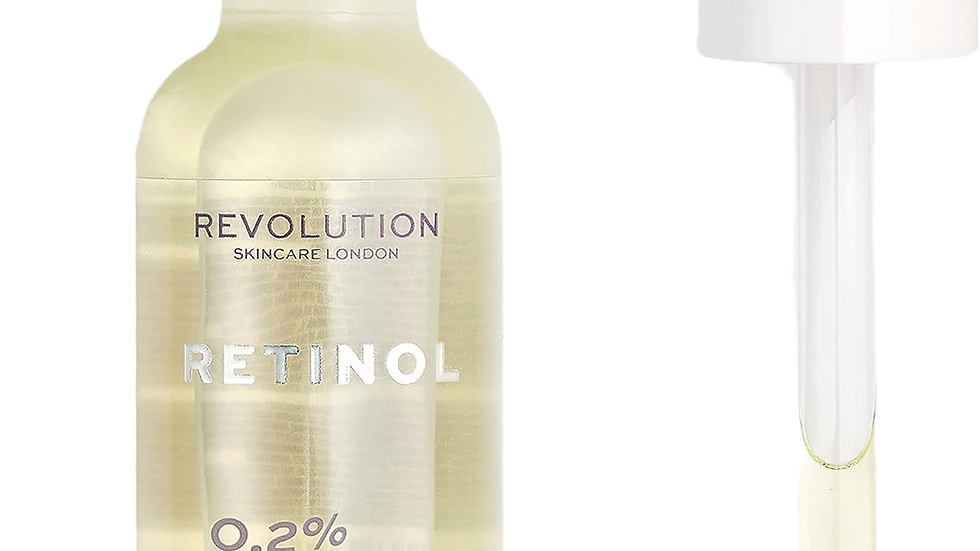
Retail Example (Entry-Level Retinol)
Revolution Beauty London Skincare, London, 0.2% Retinol Smoothing Serum, 30ml
AMAZON LINK (affiliate link)
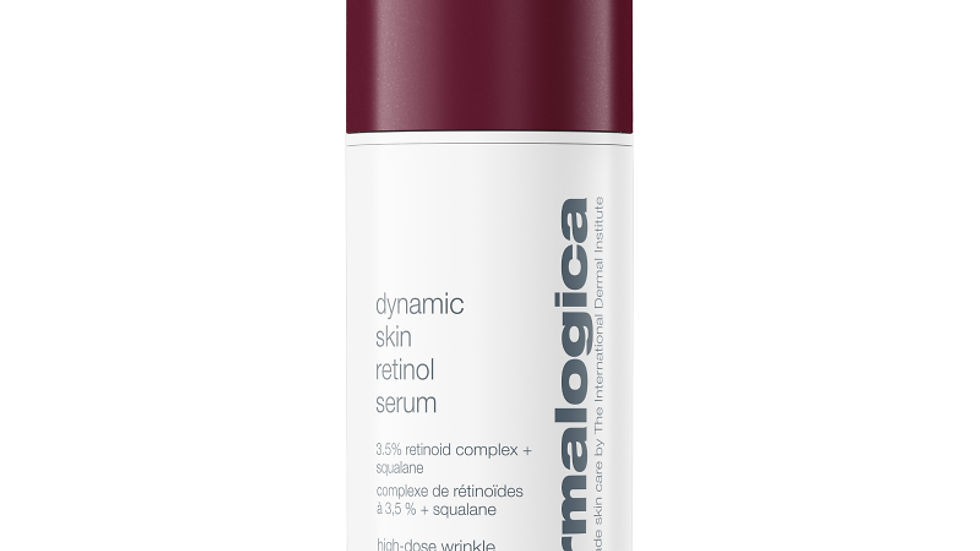
Retinol is one of the most effective ingredients in skincare — but also one of the easiest to get wrong. While Dermalogica retinol products are available for retail use at home, they are designed to be introduced correctly and supported with the right surrounding routine.
In clinic, we use Dermalogica PRO treatments to prepare the skin, strengthen the barrier, and maximise results — reducing irritation while improving long-term outcomes.
At No.1 Urban Aesthetics, we combine both — guiding your home use while delivering in-clinic treatments that allow retinol to actually perform.
Hyaluronic Acid: Hydration That Can Backfire

Hyaluronic acid is marketed as a hydration hero. And technically, it is — but only when used correctly. Because hyaluronic acid doesn’t create moisture. It moves it.
In humid environments, it draws water into the skin. In dry conditions, it can pull water out of deeper layers instead — leaving skin tighter, not more hydrated.
Why It Often Fails
Most people apply it to dry skin, don’t seal it with moisturiser, and use it in low-humidity environments.
Result? Worse dehydration.
What to Look For
Multi-weight formulations
Use on damp skin
Always follow with moisturiser

Retail Example
L'Oréal Paris Revitalift Filler Hyaluronic Acid Serum 30ml
Amazon Link (affiliate link)

L'Oréal Men's Serum, Hyaluronic Acid Serum for Ageing, Dry & Dull Skin, Men Expert Power Age, 30ml
Amazon Link (affiliate link)

If your skincare isn’t delivering, it’s rarely the ingredient — it’s how it’s formulated and used. Dermalogica products are available for retail use at home, but they are also designed to work as part of professional-grade treatments in clinic, where delivery, strength, and results are taken to another level.
At No.1 Urban Aesthetics, we combine both — giving you the right products for home, alongside in-clinic treatments that maximise their effect.
Visit us or book a consultation to build a routine that actually works.
Vitamin C: Powerful, Unstable, and Often Ineffective

Vitamin C is one of the most powerful antioxidants in skincare. It brightens, protects, and supports collagen production.
But it’s also incredibly unstable. Exposure to light, air, and heat causes it to oxidise — often before you’ve even opened the bottle. That orange tint? That’s degradation. Once oxidised, it becomes far less effective.
Strength & Formulation
10–20% → effective range
Below 10% → minimal impact
Above 20% → irritation risk
But strength alone isn’t enough. Packaging, pH, and stability matter just as much.
What to Look For
Opaque, airtight packaging
Stabilised derivatives if sensitive

Retail Example
L'Oréal Paris Revitalift Clinical 12% Pure Vitamin C
Amazon Link (Affiliate Link)

If your Vitamin C isn’t delivering, it’s not your skin — it’s the formulation. We use Dermalogica PRO systems designed to remain stable, penetrate effectively, and actually perform.
Visit us at No.1 Urban Aesthetics or book a consultation to get a routine that works — not one that just looks good on a shelf.
Niacinamide: The Overachiever That Gets Overused
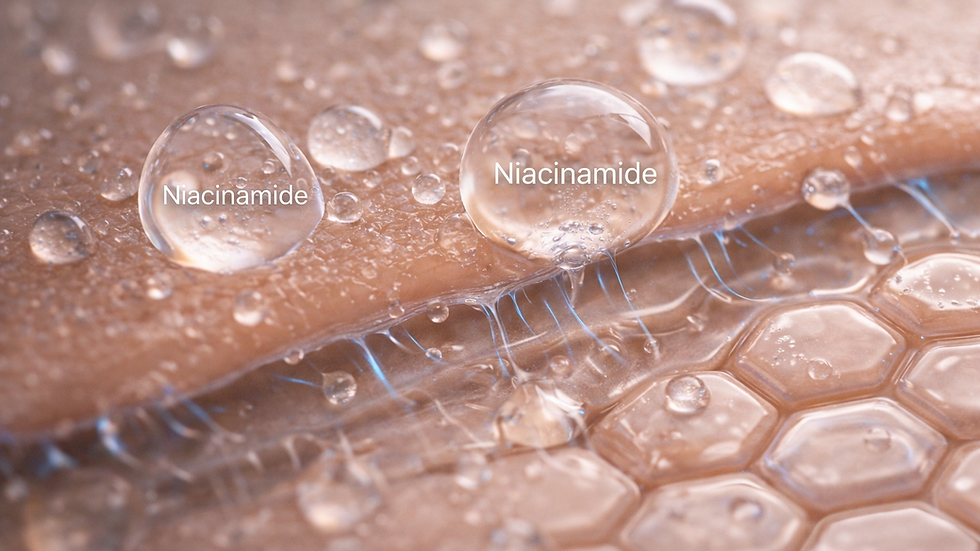
Niacinamide supports the skin barrier, reduces redness, balances oil, and improves tone. It’s one of the most useful ingredients available. But it’s also massively overused. Most products now push 10% or higher — when clinically, most benefits occur at much lower levels.
Strength Reality
2–5% → optimal
10%+ → often unnecessary, sometimes irritating
What to Look For
Lower concentration
Paired with calming/barrier ingredients

Retail Example
BYOMA Brightening Serum (30ml)
Amazon Link (Affiliate Link)

Unlike high street brands that market niacinamide as a standalone ingredient, Dermalogica incorporates it into multi-functional formulations designed to work as part of a complete skin system. These products are available for home use — but are also used within professional treatments to enhance delivery, effectiveness, and overall results.
The Supporting Ingredients (Where It Gets Messy)

Walk into any skincare aisle and this is where things begin to unravel. Once you move beyond the headline ingredients — retinol, vitamin C, hyaluronic acid — you’re met with a second layer of products that promise to “enhance”, “boost”, or “optimise” your results.
Peptides for collagen. Ceramides for barrier repair. Acids for exfoliation. Hydration boosters, microbiome support, brightening complexes.
Individually, many of these ingredients are effective.
But this is the point where most routines start to fail — not because the ingredients don’t work, but because they’re used without structure, without understanding, and often all at once.
The Reality Behind These Ingredients
Peptides don’t rebuild your skin overnight — they signal processes that take time, and only when the skin is in a healthy enough state to respond. Ceramides don’t “fix” a damaged barrier instantly — they support repair, but only if you stop damaging it at the same time.
Acids don’t improve skin when overused — they strip, irritate, and gradually weaken the very barrier your skin relies on. And yet most people are layering all of these together. Daily.
What This Looks Like in Real Life
This is where routines start to look like this:
Retinol at night
Acid toner every other day
Niacinamide twice daily
Hyaluronic acid layered on top
Peptides added “just in case”
No real understanding of what’s doing what
On paper, it looks like a “complete” routine. In reality, it’s conflicting signals, overstimulation, and a slowly deteriorating skin barrier.
The Bigger Problem: Ingredient Stacking
The skincare industry encourages the idea that more ingredients = better results. But clinically, the opposite is often true. The more variables you introduce:
The harder it becomes to identify what’s working
The easier it is to cause irritation
The more unpredictable your skin becomes
And this is exactly why people feel like:👉 “nothing is working”
Where Professional Guidance Changes This Completely
This is the point where retail skincare reaches its limit. Not because the products are bad — but because they are being used without context.
At No.1 Urban Aesthetics, we don’t just recommend products. We:
Remove what’s unnecessary
Structure what remains
Introduce actives at the right time
Support the skin barrier throughout
Because good skin doesn’t come from stacking ingredients. It comes from
knowing which ones to use, when, and why
SPF: The Step That Makes Everything Else Worth It

SPF is the most important product in any routine! Not the most exciting. Not the most talked about. But the one that determines whether anything else works.
Without it:
Collagen breaks down faster
Pigmentation worsens
Ageing accelerates
And if you’re using retinol or acids? Skipping SPF doesn’t just slow progress. It reverses it.
What to Look For
SPF 50
Broad spectrum (UVA + UVB)
Comfortable enough for daily use
Retail Example
L’Oréal Paris Revitalift Clinical SPF 50+
Amazon Link (Affiliate Link)

If your skin isn’t improving, SPF is usually the missing step. We use Dermalogica SPF systems designed to protect and maintain real results — not just provide basic coverage.
Visit us at No.1 Urban Aesthetics or book a consultation to build a routine that actually protects your skin — not one that works against it.
The Skin Barrier: The Foundation of Everything
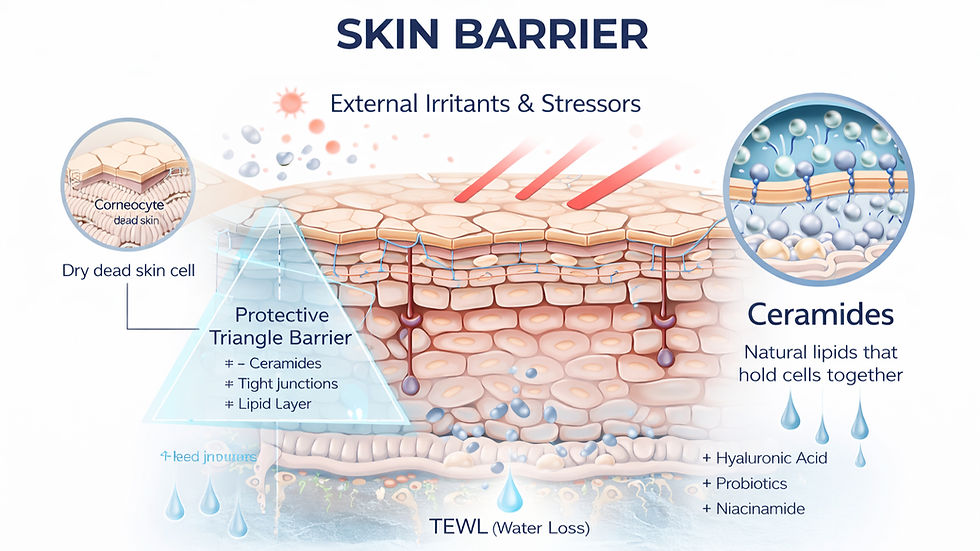
The skin barrier determines whether your skincare works at all. When it’s healthy:
Products absorb properly
Hydration is retained
Skin remains stable
When it’s damaged:
Everything irritates
Nothing works properly
Skin becomes unpredictable
Most high street routines damage this before they improve anything.
What Actually Works: A Simple, Structured Routine

Forget 10-step routines. This is what works:
Morning
Cleanser
Vitamin C
Moisturiser
SPF
Evening
Cleanser
Retinol (2–3 nights/week) OR acid
Hydration serum
Moisturiser
Consistency beats complexity.
"I Can’t Afford Premium Skincare — What Should I Actually Use?”
Let’s address the reality. Not everyone is going to walk into clinic and invest in professional treatments or premium skincare straight away. And that’s fine.
Because good skin doesn’t start with expensive products — it starts with using the right products, in the right order, consistently. The problem with most high street routines isn’t the price. It’s the lack of structure.
A Simple, Effective Routine Using Accessible Products
If you’re building a routine from high street brands like Boots or Superdrug, this is what actually matters:
Morning (AM)
Gentle cleanser
Vitamin C (optional but useful)
Moisturiser
SPF (non-negotiable)
Evening (PM)
Cleanser
Treatment step (choose ONE):
- Retinol (2–3 nights per week)
- OR exfoliating acid (not both)
Hydration serum (if needed)
Moisturiser
The Order Matters More Than the Brand
This is where most people go wrong. It’s not about whether your serum is £10 or £80. It’s about:
Not layering conflicting actives
Not overusing acids
Not jumping into high-strength retinol
Actually using SPF daily
A well-structured £50 routine will outperform a chaotic £300 one every time.
What to Look For (Without Overthinking It)
If you’re shopping high street, keep it simple:
Vitamin C → 10–15%, stable packaging
Retinol → start low (0.2–0.3%)
Niacinamide → 2–5% (ignore the 10% hype)
Hyaluronic Acid → use on damp skin + moisturiser
SPF → SPF 30 minimum, ideally 50
That’s it. You don’t need 10 products.
Where High Street Reaches Its Limit
This is the honest part. Even when used correctly, high street skincare is:
Lower strength
Less stable
Not tailored to your skin
Which means results are:
👉 slower
👉 less predictable
👉 harder to optimise
Why Professional Treatment Changes Everything

Retail skincare is designed for the average person. Professional skincare is designed for you.
At No.1 Urban Aesthetics, we assess your skin properly, build structured treatment plans, and combine in-clinic treatments with home care that actually works. This isn’t about replacing your skincare. It’s about finally understanding it.
The Verdict: Stop Collecting Products. Start Understanding Your Skin
The industry thrives on the idea that the next product will fix everything. But results come from:
Structure
Consistency
Correct use of ingredients
Not accumulation.
Ready to Stop Guessing With Your Skin?
If your routine isn’t delivering — or you’re not even sure what it’s doing — it’s time for a structured approach.
At No.1 Urban Aesthetics, we combine clinical expertise with Dermalogica PRO systems to create personalised skin plans that go beyond what over-the-counter products can achieve.

📍 Newcastle-under-Lyme & Stoke-on-Trent
📞 01782 444086
Book your consultation today — and start investing in results, not guesswork.
FAQ SECTION
Frequently Asked Questions
What order should I apply my skincare products?
The general rule is thin to thick.
Morning: Cleanser → Vitamin C → Moisturiser → SPF
Evening: Cleanser → Treatment (retinol or acid) → Hydrating serum → Moisturiser
Getting the order wrong can reduce effectiveness — or cause irritation.
Do I need all these serums for my skin to improve?
No. Most people don’t need more products — they need better structure. A simple routine done consistently will outperform a complicated one used incorrectly every time.
Can I use retinol, vitamin C, and niacinamide together?
Yes — but not all at once.
Vitamin C → morning
Retinol → evening
Niacinamide → can be used in either (or both)
The issue isn’t the ingredients — it’s how and when you use them.
Why is my skin not improving even though I’m using good products?
Because skincare isn’t just about what you use. It’s about:
Order
Strength
Frequency
Combination
You can be using the right products in the wrong way — and see no results.
Is expensive skincare actually better?
Not always. What matters is:
Stable formulations
Effective concentrations
Correct usage
A well-structured £50 routine will outperform a random £300 one.
What is the most important product in any routine?
SPF. Without it:
Collagen breaks down faster
Pigmentation worsens
Results from other products are undone
If you skip SPF, you’re working backwards.
Can I build a good routine using high street products?
Yes. But you need:
The right order
The right combinations
Consistency
The biggest mistake isn’t budget — it’s lack of structure.
When should I consider professional skincare?
When:
Your skin isn’t improving despite consistency
You’re dealing with persistent issues (acne, pigmentation, ageing)
You want faster, more predictable results
Professional guidance removes the guesswork.
Do I need a skin consultation?
If you’re unsure what your products are doing — yes. A consultation helps you:
Stop wasting money
Build a routine that actually works
Understand your skin properly
Still have questions or ready for the next step? Book a free skin consultation now.