The Shift After Forty: A Clinical Guide to Structural Skin Quality and Regenerative Therapies
- Becky Beckett

- Jun 1
- 15 min read
There’s a distinct moment, usually caught in the unforgiving overhead light of a fitting room or the quiet clarity of a car's rearview mirror, when you notice your skin has changed. It isn’t just a new fine line around the eyes or a shallow crease near the mouth. It’s a more subtle shift in how the skin behaves, how it holds moisture, and how it reflects the light. For many people in their forties, the sleep creases that used to disappear within twenty minutes of waking up now tend to linger. The skin can feel parched by mid-afternoon, losing that familiar elasticity we often take for granted.
This shift often brings a wave of frustration. Dressing tables accumulate expensive, highly praised creams that promise rapid transformation, yet the underlying dullness and loss of bounce remain untouched. In clinic, we often see people caught in an endless cycle of trial and error with cosmetic products because they assume skin ageing is purely a surface issue. In reality, the changes that become visible during this decade are driven by deeper biological shifts occurring well beneath the epidermis.
Managing these changes means moving away from reactive cosmetic fixes toward a more strategic approach to skin health. Once we pass forty, the skin's natural regenerative timeline slows down, which requires a more considered, evidence-led routine. Achieving what we call quiet confidence—where your skin looks fresh, healthy, and entirely natural—is about supporting these deeper mechanisms. By combining targeted clinical treatments with a tailored daily routine, we can respect your natural facial anatomy, ensuring you simply look like a well-rested version of yourself.

The Biological Shift: Structural Realities of Skin Ageing Over 40
To effectively manage skin ageing over 40, we have to look below the surface at what is happening to the skin's supporting framework. The skin consists of three main layers: the protective epidermis, the supportive dermis, and the deeper subcutaneous fat. As we move through our forties, each layer experiences a natural slowdown in function. The most noticeable structural changes happen within the dermis—the dense layer of connective tissue that gives our skin its strength and elasticity.
At the heart of this framework are fibroblasts—specialised cells responsible for producing collagen, elastin, and hyaluronic acid. From our late twenties onward, fibroblast activity declines by about 1% each year. By our forties, this ongoing drop is complicated by an increase in matrix metalloproteinases (MMPs), which are enzymes that break down existing collagen. The supportive network of Type I and Type III collagen that keeps younger skin firm becomes increasingly fragmented. At the same time, elastin fibers—which allow the skin to snap back into place—lose their alignment and become less functional, a process often accelerated by UV exposure.
At the same time, the natural production of hyaluronic acid—the molecule capable of holding up to a thousand times its weight in water within the tissue—drops significantly. This depletion causes more than just surface dryness; it alters the environment where our skin cells live and communicate. Without enough moisture deeper in the dermis, the transport of essential nutrients slows down. In clinic, we often see this manifest as a noticeable loss of volume, bounce, and that healthy brightness people feel they've lost.

The outer layer of the skin, the epidermis, also experiences a slowdown. In younger skin, new cells travel from the base layer to the surface and shed in about 28 days. After forty, this renewal process can stretch to 45 or 60 days. Because these older cells accumulate on the surface, the skin's texture can become uneven, and it absorbs light rather than reflecting it, which is why the skin often looks dull.
Furthermore, the skin's natural moisture barrier, made up of ceramides, cholesterol, and fatty acids, becomes less effective. This compromise allows essential moisture to escape through transepidermal water loss (TEWL) while letting environmental irritants penetrate more easily. This can trigger a state of low-grade, chronic irritation often referred to as "inflammageing."
For women, this timeline often coincides with perimenopause, a period marked by fluctuating and declining estrogen levels. Estrogen receptors are found throughout our skin cells, so when these hormone levels drop, the impact is noticeable. It often leads to a sharp reduction in oil production, a thinning of the skin, and an accelerated loss of collagen—up to 30% within the first five years of menopause. The skin can suddenly feel quite fragile, more prone to irritation, and less resilient against daily environmental stressors.
This process is further complicated by advanced glycation end-products (AGEs). This happens when excess sugar molecules bind to proteins like collagen and elastin, creating rigid bonds that stiffen the tissue and hinder the skin's natural repair mechanisms. When you combine this with the oxidative stress caused by daily UV exposure and pollution, the skin's natural antioxidant defenses can get overwhelmed. This is exactly why managing mature skin requires a broader strategy; it's a biological reality that a single cream simply can't resolve, requiring a more systematic, clinical approach to skin rejuvenation.

Why Your Twenties Matter More Than You Think
One of the most common misconceptions in aesthetic medicine is that skin ageing begins when wrinkles become visible. In reality, the biological processes responsible for ageing often begin decades before the first visible signs appear.
Collagen production reaches its peak during our twenties. At this stage, fibroblasts are highly active, elastin fibres remain organised, and the skin's natural repair mechanisms function at maximum efficiency. Most people enjoy strong barrier function, rapid cellular turnover, and excellent hydration without giving much thought to skincare beyond cleansing and moisturising.
The challenge is that ageing is cumulative rather than sudden.
Every period of unprotected sun exposure, every holiday sunburn, every year spent without adequate ultraviolet protection contributes to microscopic structural damage within the dermis. These changes occur long before they become visible in the mirror. Collagen fibres begin to fragment, elastin gradually loses organisation, and low-grade oxidative stress accumulates within the tissue.
By the time many people notice fine lines in their forties, a significant proportion of the underlying biological changes have already been progressing for years.
This is why modern skin health is increasingly focused on prevention rather than correction.
Protecting skin during your twenties and thirties can significantly influence how skin behaves decades later. Consistent sun protection, antioxidant support, effective hydration, and barrier preservation help maintain fibroblast function and reduce the cumulative burden of environmental ageing.
In practical terms, the goal is not to prevent ageing entirely. Ageing is a normal biological process. The objective is to age with stronger, healthier tissue that remains resilient for longer.
The clients who often require the least intervention in their forties and fifties are frequently those who developed simple but consistent skincare habits much earlier in life.


The Three Investments That Pay Dividends Decades Later
While the skincare industry continuously introduces new trends and ingredients, three interventions consistently remain at the centre of evidence-based skin preservation:
Daily Broad-Spectrum SPF
No anti-ageing intervention has more scientific support than daily sun protection. Ultraviolet radiation remains the single largest external driver of collagen degradation, pigmentation irregularities and premature skin ageing.
Antioxidant Protection
Vitamin C, ferulic acid and other antioxidants help neutralise free radicals generated by UV exposure, pollution and environmental stressors before they contribute to structural damage.
Barrier Preservation
Maintaining a healthy barrier through hydration, ceramides and appropriate cleansing protects against chronic inflammation and unnecessary water loss, creating the ideal environment for long-term skin health.
Together, these simple interventions create the foundation upon which all future skincare and regenerative treatments are built.
The Topical Baseline: Integrating Target-Driven Skincare
While deeper structural changes ultimately require clinical treatments, your daily routine remains the essential foundation of any effective plan. High-quality skincare shouldn't be viewed as a luxury pampering ritual; it’s a daily delivery system for active ingredients designed to support the barrier, regulate cell turnover, and protect the skin from environmental damage. Without a well-formulated homecare routine, the benefits of any in-clinic treatments won't last nearly as long.
The main goal of an effective anti-ageing skincare routine for mature skin is protecting and restoring the outer barrier. When this barrier is healthy, it maintains proper hydration levels, allowing the skin to heal efficiently and tolerate active ingredients. To achieve this, your morning routine should focus on defense and hydration. This means more than just applying a basic moisturiser; it involves using stable antioxidants, like L-ascorbic or ferulic acid, to neutralise the free radicals that accelerate structural breakdown. This should always be followed by a high-factor, broad-spectrum sunscreen to block the daily UV rays that damage collagen.
At night, the focus shifts from protection to repair. This is the best time to use retinoids, which remain the gold standard in topical skin rejuvenation. Retinoids work by binding to specific receptors within skin cells, encouraging cell renewal, boosting collagen production, and slowing down the enzymes that break down tissue. For skin over forty, choosing the right formulation is critical. Many people assume they need the strongest percentage available, but an overly aggressive retinoid can disrupt the barrier, causing redness, peeling, and chronic inflammation that actually worsens the signs of ageing. Selecting a stable derivative, such as micro-encapsulated retinol or retinaldehyde, delivers these active ingredients deeply into the skin with minimal surface irritation.

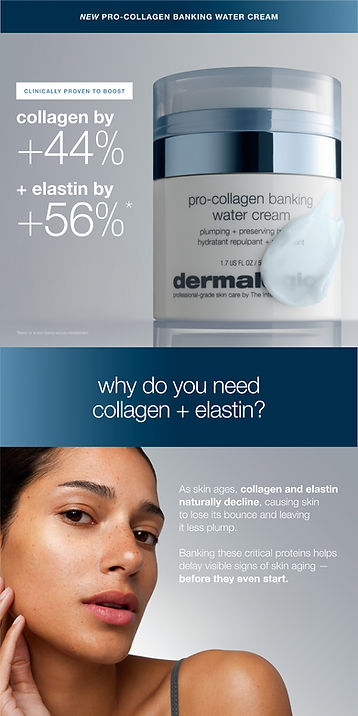
This targeted approach is exemplified by professional ranges like Dermalogica skincare, which focus on ingredient stability and clean formulations. Rather than relying on heavy, occlusive oils that simply sit on top of the skin, these formulations use bio-identical lipids—such as ceramides and fatty acids—that actually integrate into the skin's natural barrier. This repairs the skin's protective seals, reduces transepidermal water loss, and restores a healthy, natural softness to the touch.
Integrating peptide technology into your daily routine also offers excellent support for maturing skin. Cell-signalling peptides act as messengers to the dermis, mimicking the natural fragments produced when collagen naturally breaks down. This signals the fibroblasts to start producing fresh collagen and elastin. When combined with professional skin consultations, these homecare routines can be adjusted to match your skin's changing needs throughout the seasons, ensuring the tissue remains resilient, calm, and fully prepared for advanced clinical treatments.

Why Dermalogica Fits the Modern Regenerative Model
As our understanding of skin ageing evolves, the distinction between traditional beauty products and evidence-based skin health continues to widen.
The most effective skincare systems today are no longer focused on creating temporary cosmetic effects. Instead, they are designed to support the same biological processes targeted by modern regenerative treatments.
This is one of the reasons Dermalogica has become a cornerstone of many professional skin health programmes worldwide.
Rather than relying on fragrance-heavy formulations or trend-driven ingredients, Dermalogica products are developed around barrier support, inflammation control, hydration management and ingredient stability. These principles closely align with the objectives of modern regenerative medicine: improving tissue quality, strengthening resilience and supporting healthy cellular function.
For clients over forty, this becomes particularly important.
A treatment such as Profhilo may improve hydration and tissue quality within the dermis, while polynucleotides may stimulate fibroblast activity and cellular repair. However, if the epidermal barrier remains compromised or daily UV exposure continues unchecked, these improvements become increasingly difficult to maintain.
Professional skincare provides the daily support system that allows regenerative treatments to perform optimally.

At No.1 Urban Aesthetics, skincare is never viewed as an optional add-on. Instead, it forms part of a structured treatment pathway.
For some clients, a targeted Dermalogica regimen alone may significantly improve hydration, sensitivity, texture and radiance. For others, skincare provides the essential foundation that allows treatments such as microneedling, skin boosters, polynucleotides or Profhilo to deliver stronger and more sustainable outcomes.

The goal is always the same: healthier skin that functions better, looks naturally refreshed, and remains resilient for years to come.
The Regenerative Threshold: Injectable Skin Quality and Cellular Communication
Ultimately, there is a limit to what topical skincare can achieve on its own. Because the skin's primary job is to act as a barrier against the outside world, larger molecules cannot penetrate deeply into the dermis. When loss of elasticity, deep dehydration, and thinning become more established, in-clinic treatments offer a way forward. These treatments bypass the outer barrier precisely and safely to deliver regenerative signals directly to where they're needed most.
In modern aesthetics, we've seen a major shift away from traditional dermal fillers toward bio-remodeling and regenerative therapies. While fillers are designed to physically lift tissue and replace lost volume using cross-linked hyaluronic acid, skin quality treatments focus on improving the health, elasticity, and function of the tissue itself. They don't alter the shape, structure, or contours of your face; instead, they improve how the skin reflects light, how it moves, and how it holds deep moisture.

A key advancement here is Profhilo, a treatment that has fundamentally changed how we approach skin ageing over 40. It's important to understand that Profhilo isn't a filler; it is a highly purified, stabilized hyaluronic acid. By combining high and low molecular weights of hyaluronic acid without chemical cross-linking agents like BDDE, it spreads smoothly through the skin tissue. Once injected into specific points across the face, it remains in the skin for about 28 days, stimulating four different types of collagen and elastin. This makes it an exceptional option for addressing mild skin laxity, restoring overall firmness, and giving the skin an intensely hydrated, smooth appearance that looks entirely natural.
For skin that requires deeper cellular repair, polynucleotides offer a fascinating, regenerative approach. Derived from highly purified fractions of DNA, these treatments work through an entirely different biological mechanism than hyaluronic acid. When introduced into the dermis, polynucleotides bind directly to receptors on your fibroblasts. This interaction prompts the cells to increase their production of Type I collagen and healthy elastin, while also supporting the formation of new, tiny blood vessels to improve micro-circulation.
Furthermore, polynucleotides have strong antioxidant properties and help create a calm, balanced environment within the tissue. In clinic, we find this makes them highly effective for treating the fragile, thin skin around the eyes and neck—areas where traditional injectable treatments can sometimes look or feel too heavy.

When the main concern is a loss of radiance and fine crepiness across the cheeks or jawline, micro-injections of targeted skin boosters can be very helpful. These formulations typically combine non-cross-linked hyaluronic acid with essential amino acids and vitamins. By placing these micro-droplets evenly across the skin layer, we deliver deep moisture directly into the tissue, smoothing out dehydration lines and giving the skin a refreshed, well-rested appearance.
For clients who prefer a non-injectable option for skin rejuvenation, advanced microneedling remains an excellent choice. This treatment uses a precision medical device to create thousands of controlled micro-channels through the surface layer into the deeper dermis. This process triggers the skin's natural healing response. Growth factors are released, old or damaged collagen is cleared away, and fibroblasts begin synthesising fresh, healthy collagen and elastin over the following weeks.
It’s a highly versatile treatment, making it ideal for improving uneven texture, softening fine lines, and refining open pores. When you combine microneedling with a tailored professional skincare routine at home, it works beautifully to maintain long-term skin health and structural resilience.

The Philosophy of Restraint: Achieving Quiet Confidence
The aesthetics industry is experiencing a much-needed shift. The trend toward over-filled, frozen, and obviously altered features—so often driven by social media filters—is giving way to a more refined appreciation for facial harmony, skin health, and restraint. For most people over forty, the goal is rarely to look like a different person or a smoothed-out version of a twenty-year-old. Instead, they simply want to look well-rested, healthy, and refreshed, maintaining a natural look that feels true to who they are.
This approach requires a thorough understanding of facial anatomy and how different layers age over time. True changes are never confined to the surface skin alone; they involve the natural shifting of deeper fat pads and the subtle relaxation of supportive tissue. Trying to erase every single line by over-inflating the skin with filler ignores these structural realities. It can distort natural expressions, alter your natural facial balance, and create an artificial look that distracts from your genuine features.

An evidence-led approach prioritises overall skin quality and subtle support over excessive volume. By focusing on treatments that improve tissue health, density, and elasticity—like polynucleotides, Profhilo, or targeted microneedling— we encourage the skin to behave like younger tissue. The results are subtle but highly impactful: the skin holds light better, shadow lines around the mouth and eyes soften naturally, and the jawline retains a clean, firm definition. This respects your unique expressions, meaning friends and colleagues will notice a rested, healthy glow rather than an obvious cosmetic procedure.
This careful approach is ideal if you feel cautious or overwhelmed by the sheer volume of aesthetic options available today. Achieving truly natural results takes patience, detailed treatment planning, and a step-by-step approach. Building true skin health and resilience takes time, much like any other long-term health or fitness commitment. By stepping away from quick fixes and short-lived trends, we focus on creating a reassuring space where you feel genuinely heard, safe, and comfortable with your choices.

Why Assessment Matters More Than Treatment
In an accountable aesthetic practice, the initial consultation is the absolute foundation of your safety and the success of your treatments. A consultation should never feel like a high-pressure sales pitch or a brief, five-minute chat right before a procedure. Instead, it needs to be an unhurried, comprehensive assessment of your medical history, skin health, lifestyle factors, and long-term goals. This collaborative conversation ensures that any treatment plan is safe, clinically appropriate, and tailored specifically to you.
During your consultation, we assess the face as a dynamic, moving structure. We look closely at the skin's texture, barrier health, and sun damage, alongside deeper changes like volume loss or laxity. This analysis helps us distinguish between surface issues that can be managed well with daily skincare and deeper structural concerns that require targeted in-clinic treatments. It's also an opportunity to explain the science behind each option honestly, ensuring you understand the steps and commitment needed to achieve lasting results.
For clients seeking high-quality care across Staffordshire, Cheshire, and Shropshire, choosing an established, nurse-led clinic is the best way to ensure professional standards and peace of mind. Situated within the modern setting of Glitterbels HQ in Newcastle-under-Lyme, No.1 Urban Aesthetics provides an evidence-led clinical environment for clients visiting from Stoke-on-Trent, Market Drayton, Loggerheads, and Stafford. The clinic offers a quiet, professional setting where you can step away from the noise of high-street trends and focus on clear, scientifically grounded advice.
Whether you are travelling from Shrewsbury, the surrounding communities of Crewe and Nantwich, or living locally in Stone, our approach remains exactly the same. Your treatment plan is designed uniquely for your skin, often combining a targeted Dermalogica skincare routine with advanced treatments like Profhilo or polynucleotides where appropriate. This disciplined approach ensures that every step is taken with clinical precision and complete transparency. By placing safety and patient well-being at the absolute center of practice, the clinic delivers something far more valuable than a quick aesthetic change—it provides long-term confidence, peace of mind, and skin that looks healthy, refreshed, and completely yours.
Ready to Understand Your Skin Better?
We offer professional skin consultations, personalised Dermalogica skincare planning, and evidence-led treatment advice designed around long-term skin health rather than short-term trends.
📍 Newcastle-under-Lyme, Staffordshire
📞 01782 444086
Healthy skin. Quiet confidence. Still completely you.
Frequently Asked Questions
About Skin Ageing After 40
At what age does skin ageing actually begin?
Most people associate skin ageing with their forties or fifties, but the biological processes begin much earlier. Collagen production gradually starts to decline from the mid-twenties, while cellular turnover and natural hydration levels slowly reduce over time. The visible signs often take years to appear.
Is it possible to improve skin quality after 40?
Absolutely.
While no treatment can stop the ageing process entirely, skin quality can often be improved significantly through a combination of professional skincare, sun protection, healthy lifestyle choices and evidence-based aesthetic treatments. Many people see improvements in hydration, texture, elasticity and overall skin radiance well beyond the age of forty.
What is the most important skincare product for ageing skin?
If skin professionals were forced to choose just one product category, broad-spectrum SPF would be the overwhelming favourite.
Daily sun protection remains the single most effective step for reducing premature collagen loss, pigmentation changes and photoageing caused by ultraviolet exposure.
Is expensive skincare always better?
Not necessarily.
The effectiveness of skincare depends on ingredient quality, formulation, suitability for your skin type and consistent use. The most expensive product is not always the most appropriate product for your individual skin concerns.
Why does skin suddenly seem to change after 40?
For many people, the forties represent a point where gradual biological changes become more visible.
Reduced collagen production, slower cellular renewal, cumulative sun exposure, hormonal changes and decreased natural hydration can combine to affect firmness, texture, luminosity and elasticity.
What is the difference between skin boosters and dermal fillers?
Skin boosters are generally designed to improve hydration and skin quality within the dermis.
Dermal fillers are typically used to restore structure, support or volume in specific facial areas.
Although both may contain hyaluronic acid, they are designed to achieve very different outcomes.
What do polynucleotides actually do?
Polynucleotides are regenerative injectable treatments that aim to support tissue repair, hydration and fibroblast activity. Their primary focus is improving skin quality and encouraging healthier tissue function rather than creating volume or altering facial shape.
Does microneedling really stimulate collagen?
Microneedling creates controlled micro-injuries within the skin, activating natural wound-healing pathways that can encourage collagen production and tissue remodelling over time.
It remains one of the most researched and widely used treatments for improving skin texture, acne scarring and overall skin quality.
Can Dermalogica products help ageing skin?
Professional skincare can play a significant role in maintaining healthy skin function.
Dermalogica products are formulated to support barrier health, hydration, environmental protection and skin resilience, making them a valuable component of many long-term skin health programmes.
What treatment is best for ageing skin?
There is rarely a single "best" treatment.
The most successful outcomes typically come from combining appropriate skincare, daily SPF use and carefully selected professional treatments tailored to the individual's skin condition, concerns and goals.
Should I start preventative skincare in my twenties?
Yes.
The earlier healthy skincare habits are established, the greater their long-term impact. Daily SPF, antioxidant protection and maintaining a healthy skin barrier during your twenties and thirties can help reduce cumulative damage and support healthier skin later in life.
Do I need aesthetic treatments to age well?
Not at all.
Many people achieve excellent skin health through consistent skincare, sun protection and healthy lifestyle choices alone. Professional treatments are simply one option that may complement an already strong foundation of skin health.
How do I know which treatment is right for me?
The most effective treatment plans begin with a professional consultation.
Every person's skin is unique, and factors such as age, lifestyle, medical history, skin condition and personal goals all influence which options may be most appropriate. A comprehensive assessment helps ensure recommendations are tailored specifically to you.
Your Skin Journey Starts With Understanding Your Skin
Every person's skin is unique. Understanding how your skin is changing today is often the first step toward achieving healthier, more resilient skin in the future.
📞 01782 444086
📍 Newcastle-under-Lyme, Staffordshire
Healthy skin. Quiet confidence. Still completely you.
Because feeling comfortable in your own skin will never go out of style. — Bex